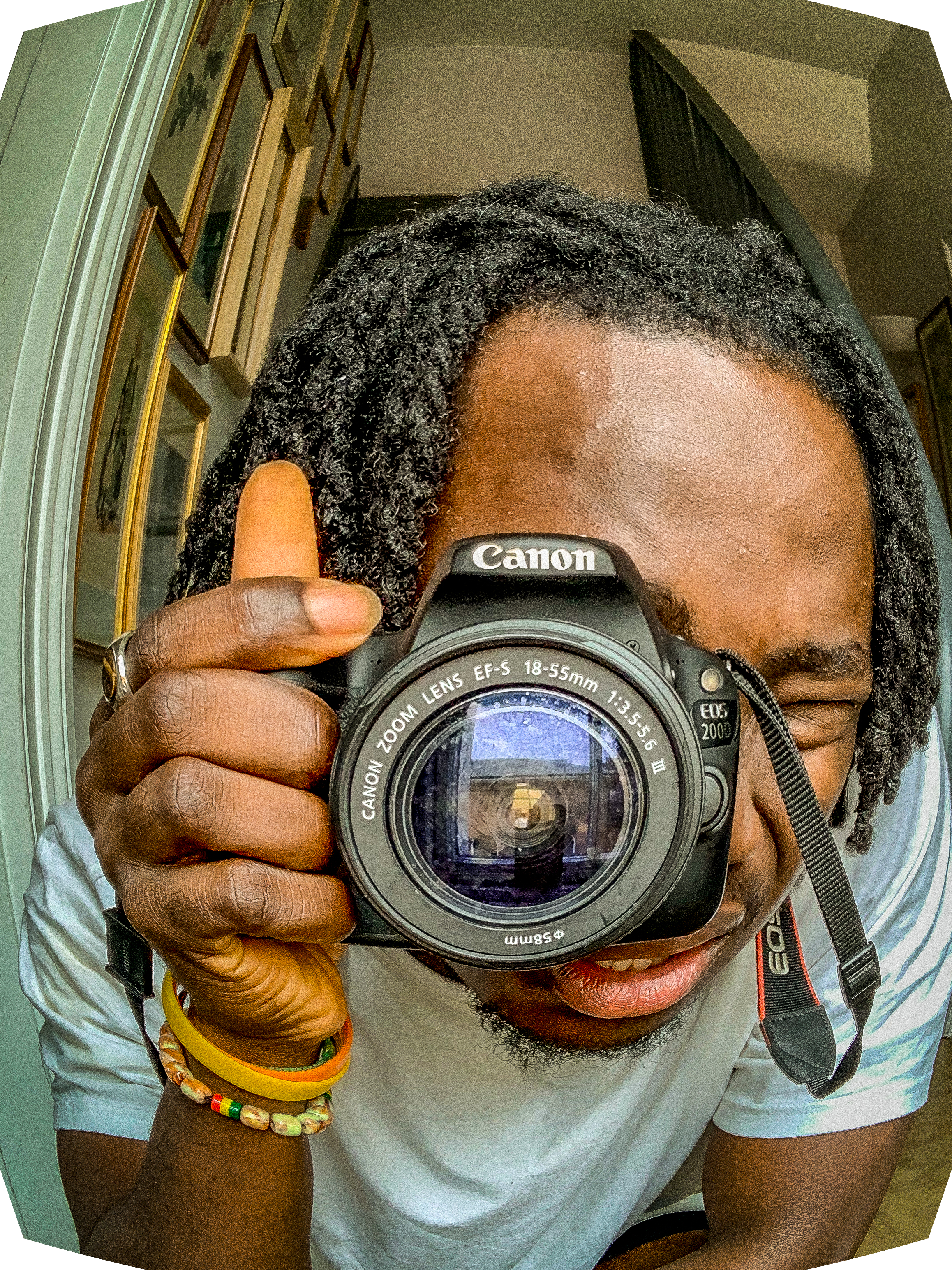
Hello, I’m Mo!
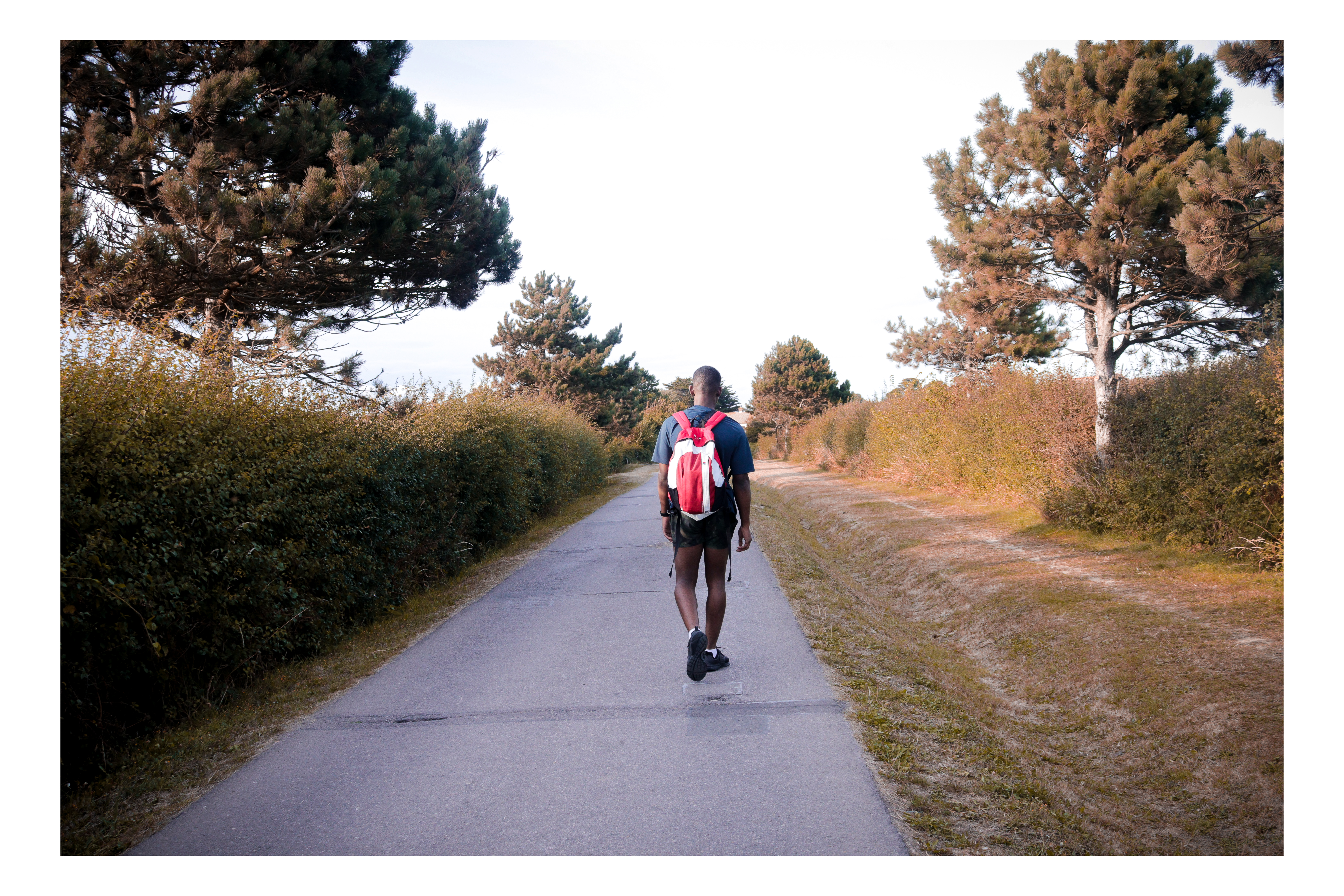
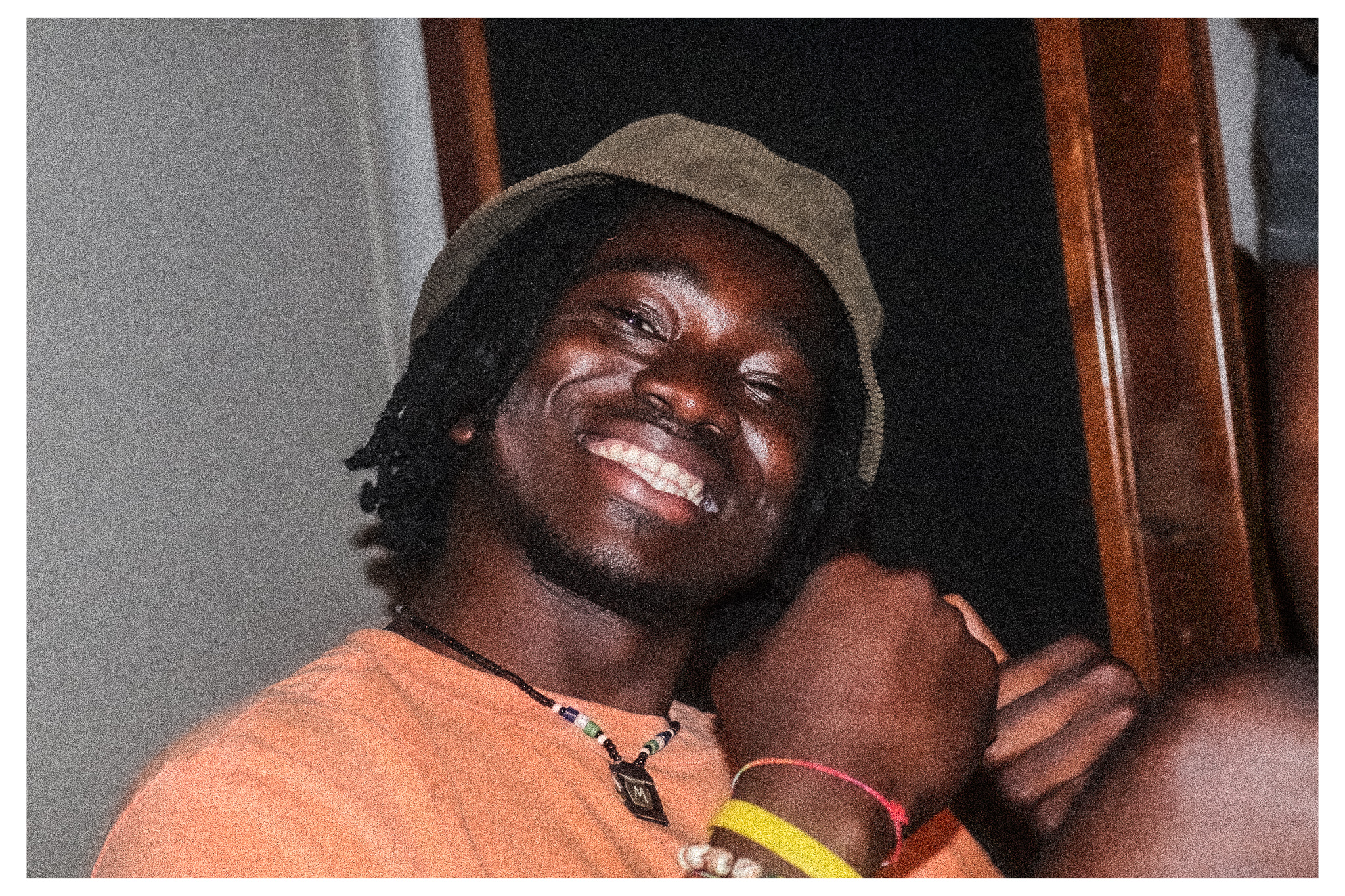
A Civil Engineer by profession, based in England. Work-life balance is ideally important. Hence, in my free time I explore the world by taking you for a walk with me in UK & Europe, along with my Ethnic journey as a Civil Engineer.
Socials
-
A Language of Togetherness

A mini wooden goal post A year ago, I went back home – Sierra Leone. A trip of a lifetime. I wanted to reconnect and reminisce with that of my upbringing and reflect on the journey of transformation so far.
What re-ignites these reconnections are the moments of laughter and fun, occasionally some bruises too. As for many boys/men growing up it was Football – street football in third world countries. Using natural environmental materials at disposal to be creative in order to have fun. Stones/timber as goal post, flip-flops as boots, our daily casual clothes as match-kits (sometimes vestless). Amongst the midst of cars & bikes constantly flowing past we often stop and resume once they’ve vanished.
A mix of Olders and youngers dripping in sweats under a 40 plus degrees heat, sweats sometimes washed away from our skin down into the Gutters of Freetown during rainy season. The best sensation was when it rains. We try to avoid kicking the ball into the open gutters flowing in high velocity of rainy waters as you’d end up chasing it forever. Bystanders stalling; wanting to be a part of the scene as they too could relate to the atmospheric adrenaline of adults & kids in flip flops kicking ball made out of used plastic. The energy is competitive and special.
I was strolling in the neighbourhood at some point during my visit and came across this scenery – once again. But this time I was the bystander who stalled, admired and took pictures. Itching to blend in once more, smiled at how lucky they are to be playing on a tarmac floor as I didn’t have such luxury growing up.
A way to pay tribute before my departure was to organise a football match calling on all the Olders & youngers within the neighbourhood I grew up in. People who played a significant part in my life – like literally. They turned up in abundance having conservations with each other on: ‘Last time I saw you was 2yrs ago’ or ‘I haven’t seen this guy for God knows how long‘. We played, had food refreshment, reminisce and went our separate ways. A hobby best described as a language of togetherness.
-
Florence – Italy
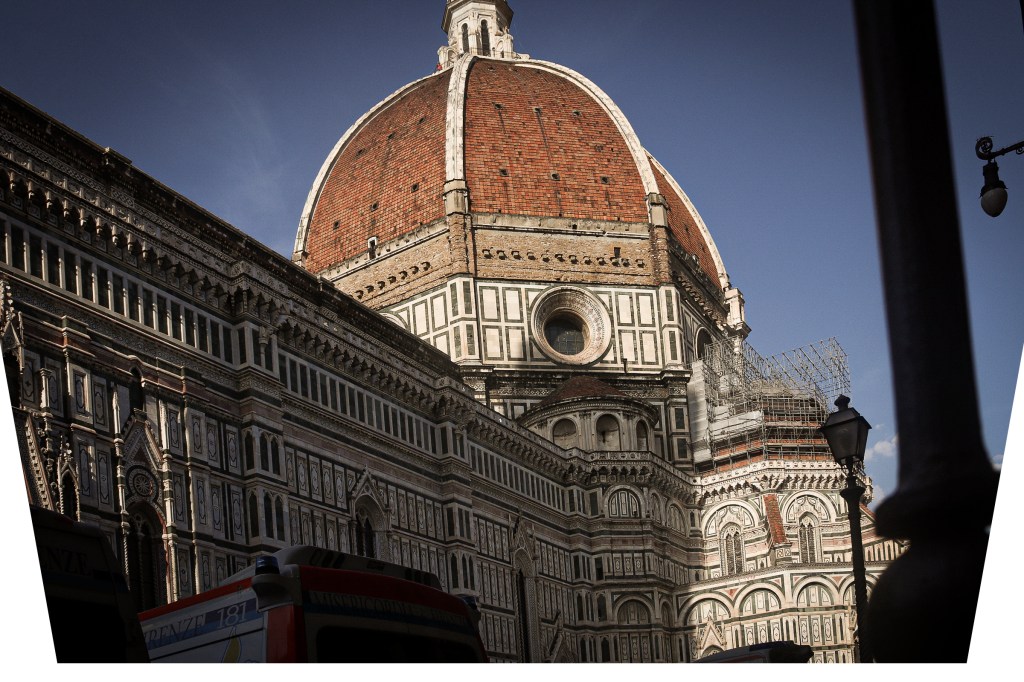
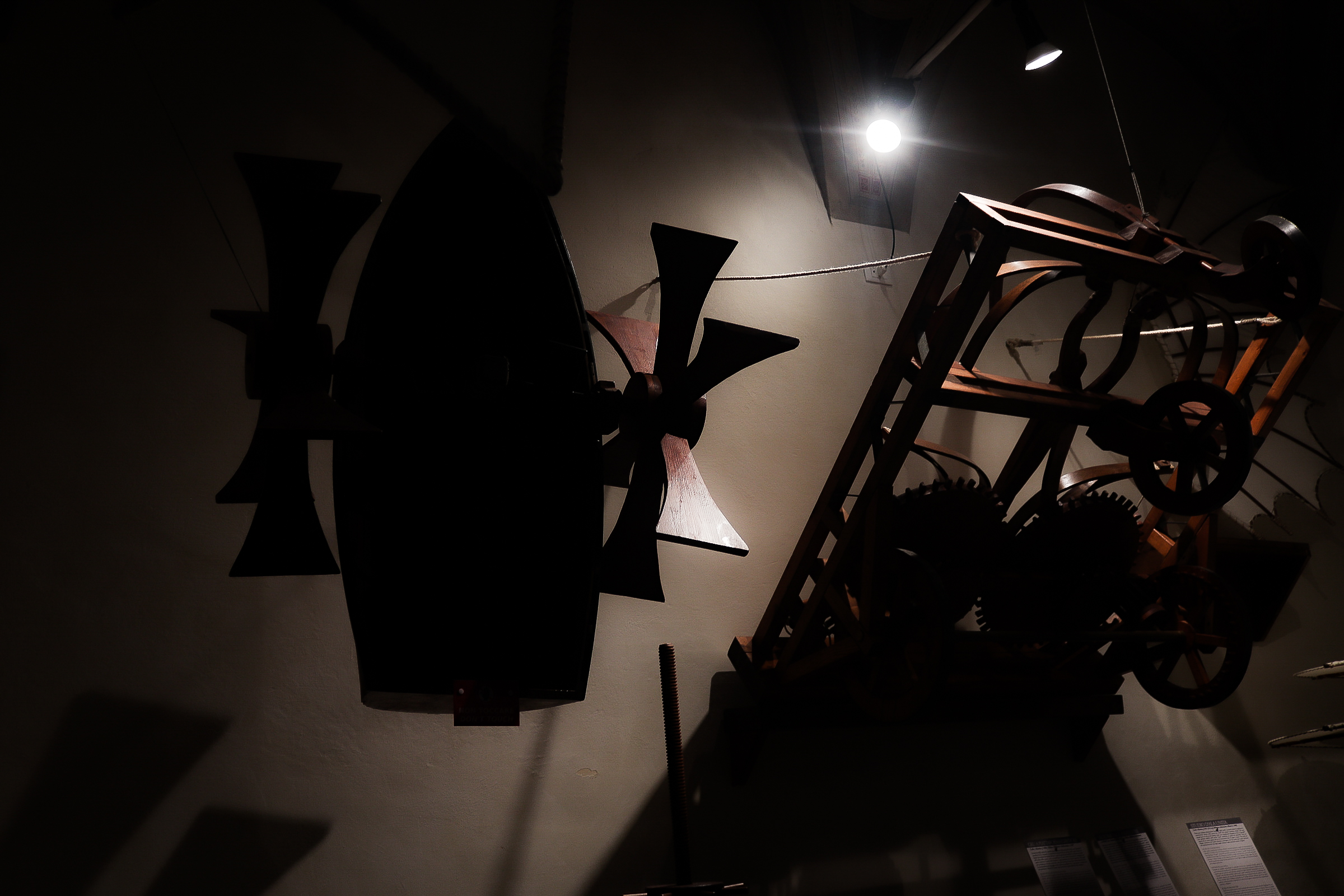
Duomo Two things that comes to mind when someone mentions the city of Florence : Leonardo Da vinci & The Medici family. Well for me anyway. That’s probably because I watched the TV series _ ‘Da Vinci’s Demons’ for like 3 times, obsessively.
A show that digs into the history of its people, rulers and at the time known as the city of centre Renaissance. Thus prior to visiting Firenze you’d say I somewhat fairly knew of its history.
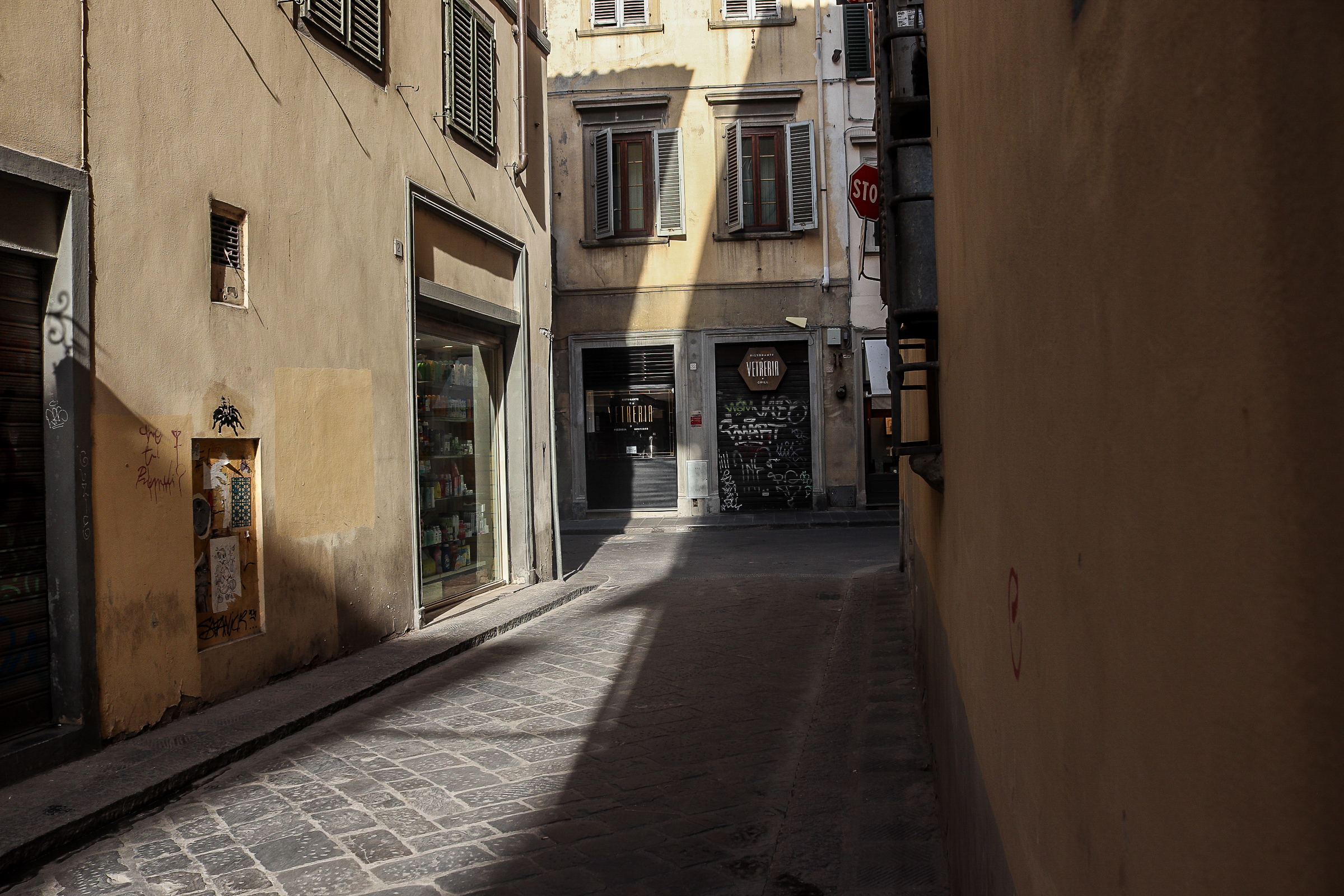
If you are looking to party-hard I kindly suggest you look for somewhere else because this is a city rich in medieval architecture, art & poetry. Sadly, as a solo traveller I was only there for 2 days.
I stayed at a hostel called ‘Plus Florence’ (see on map below) which I’d highly recommend for solo & group travellers. Located pretty much bang on at the centre of Florence and its attractions. Reasonably cheap ( £65 for 2 nights), along with a splendid rooftop view, swimming pool and more.
Worth the money! A confined city that you could walk to any designated attraction with ease.
I think the main attraction drawn to most travellers is the Duomo – Santa Maria del Fiore. A Landmark Engineered with an unmissable red dome structure that can be seen from wherever you are in Firenze.
I also loved the ‘Ponte vecchio’ arched river bridge with shops literally sitting on top of it structure. There are definitely more attractions to visit such as the likes of Leonardo interactive museum, Pitti palace, Uffizi gallery, David of Michelangelo and more.
I briefly met some amazing people/travellers like myself from various continental destinations and you’d be amazed how much you have in common and how aligned your travelling plans are with theirs. It was indeed a great ‘walking’ experience!
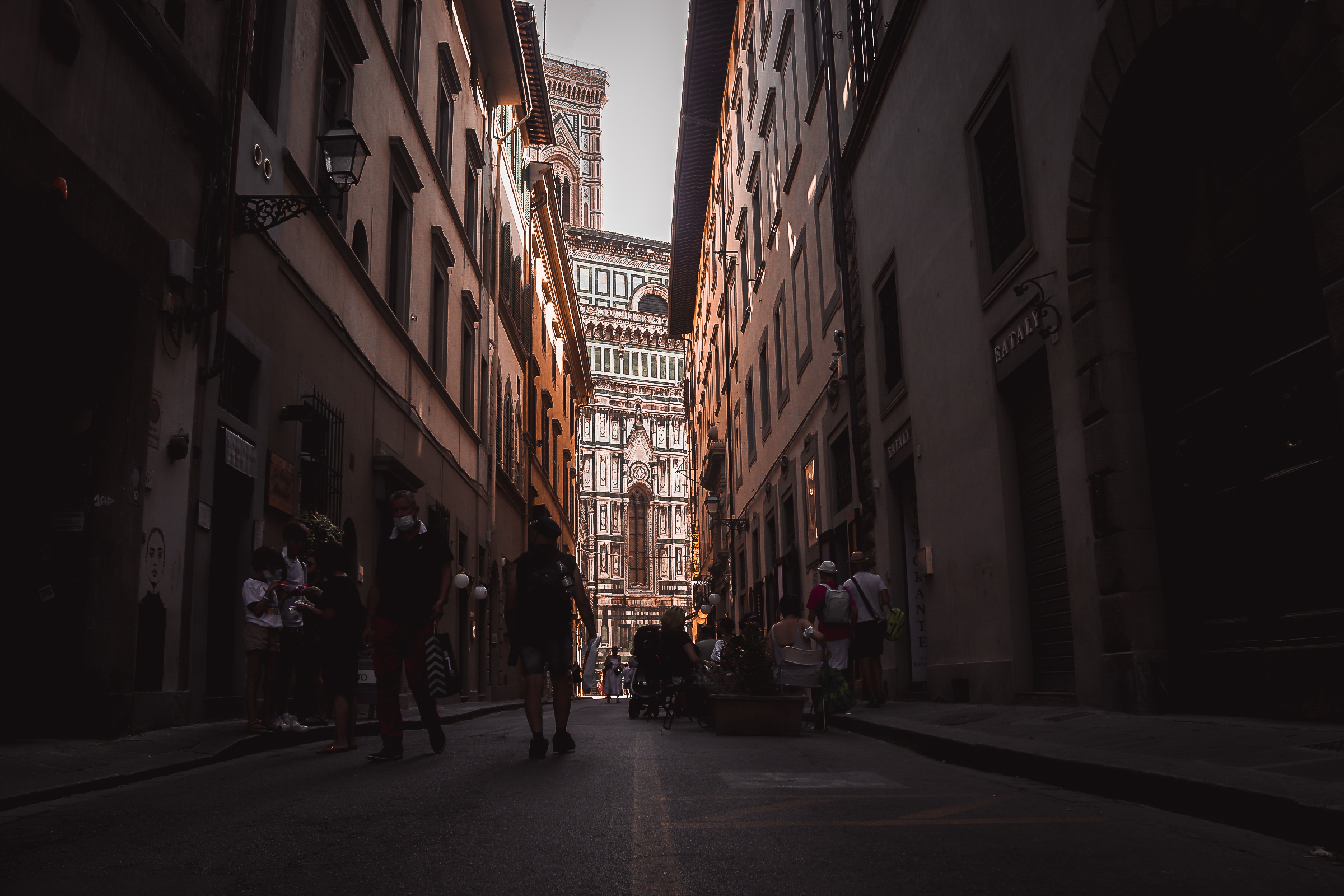
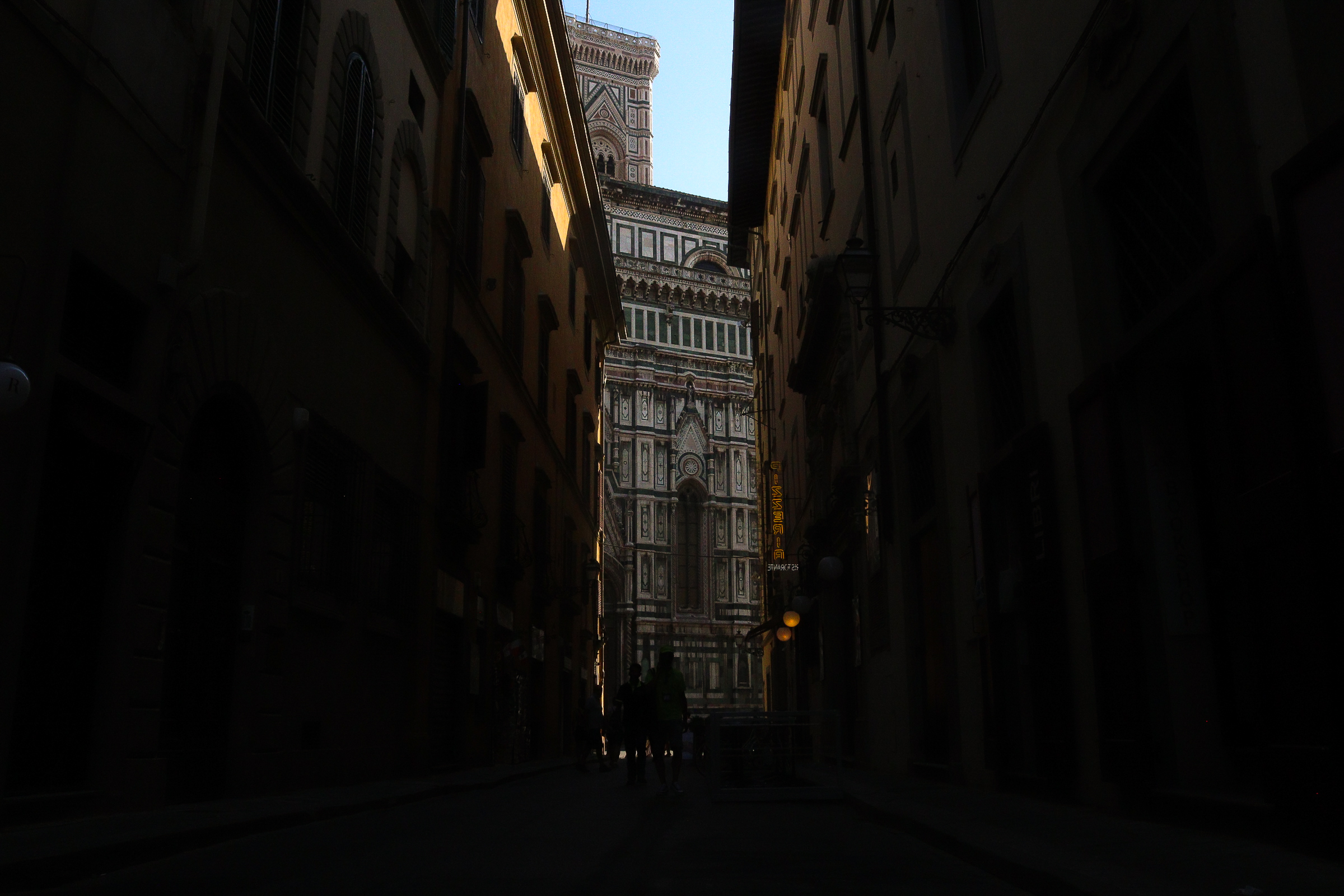
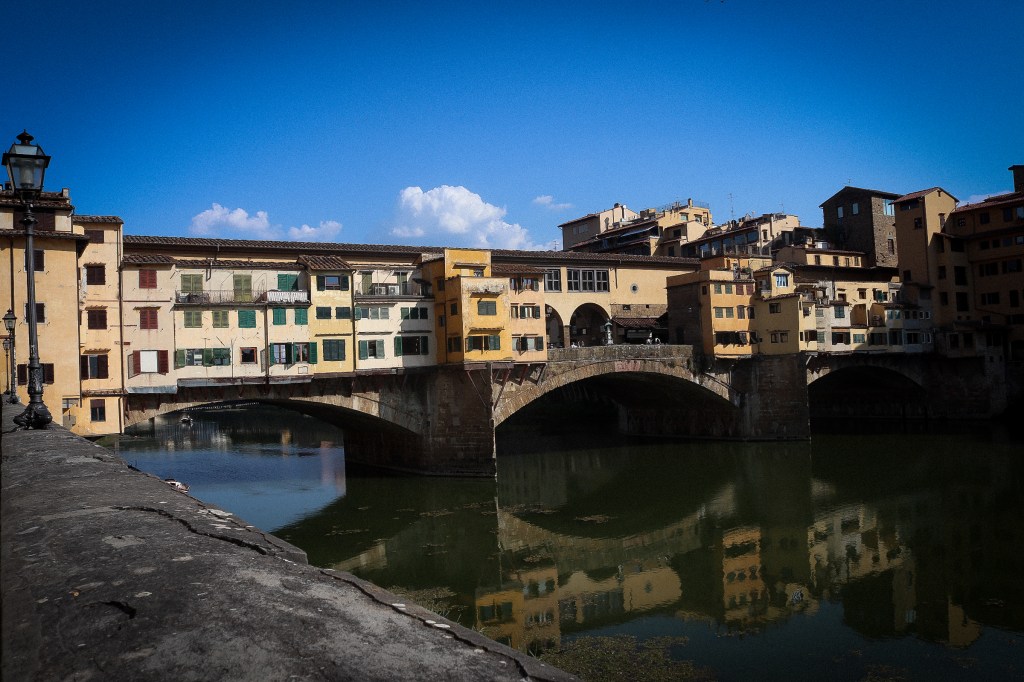
‘Ponte vecchio‘ 2021



-
Milton Keynes – Bletchley.
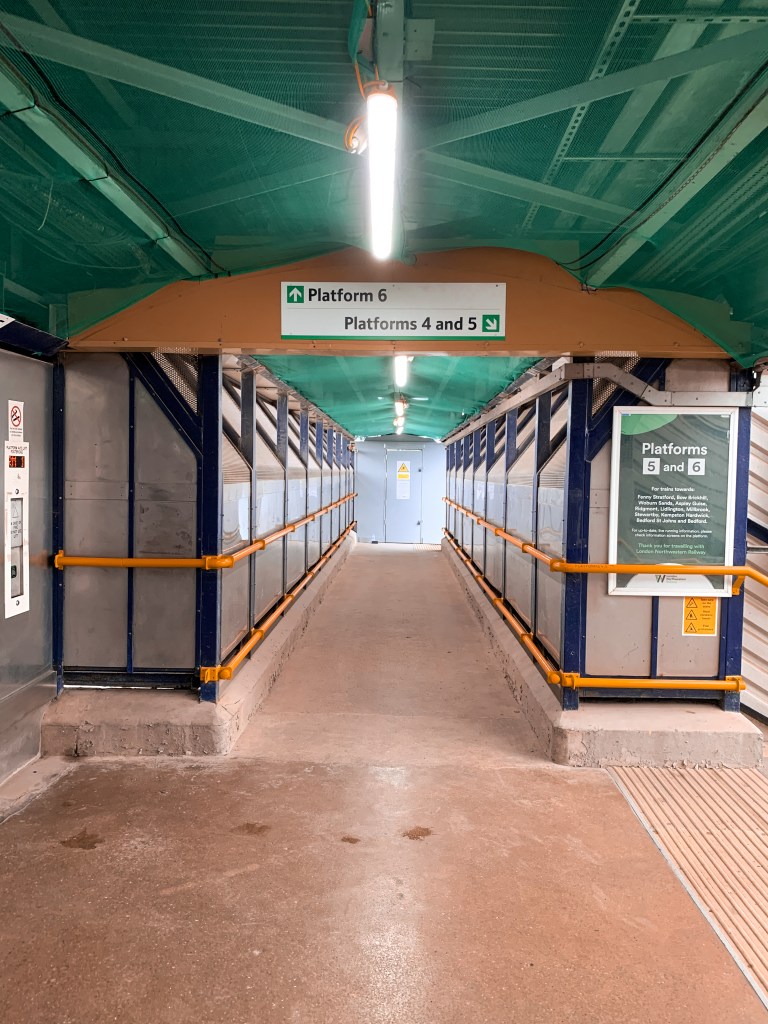
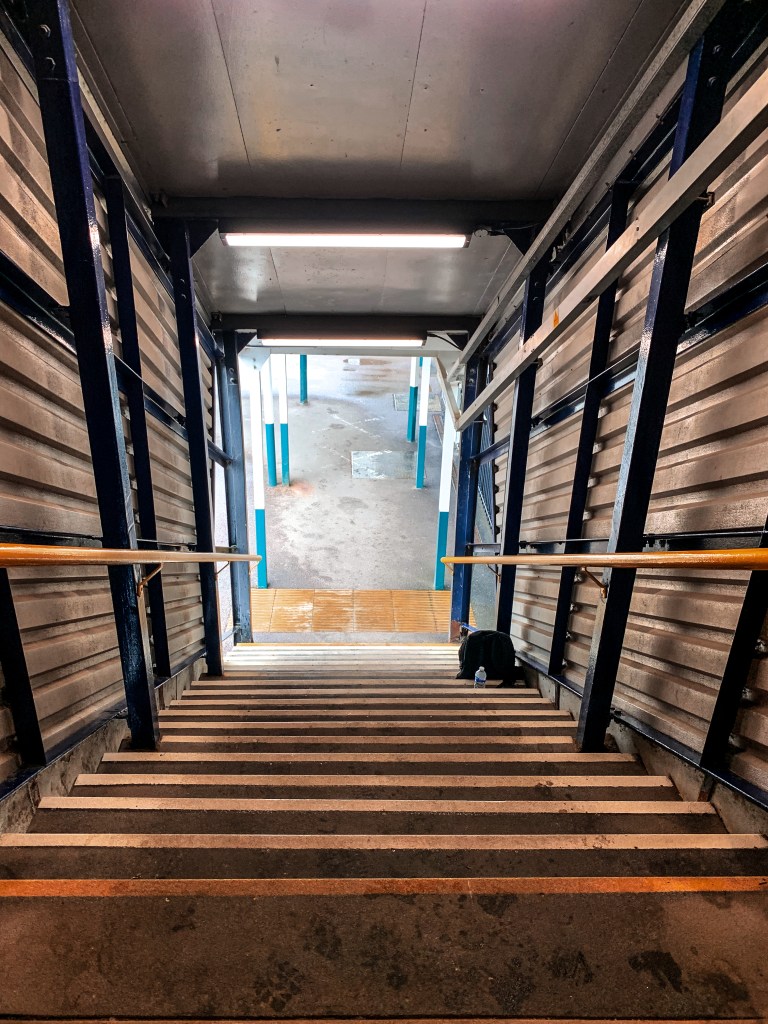
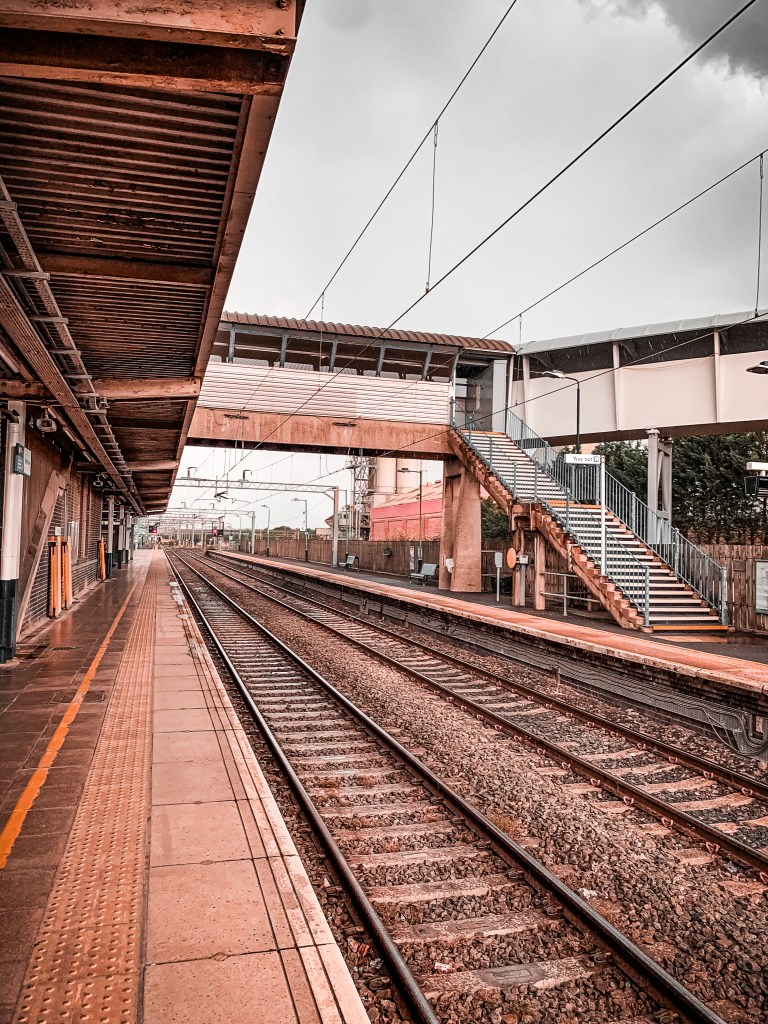
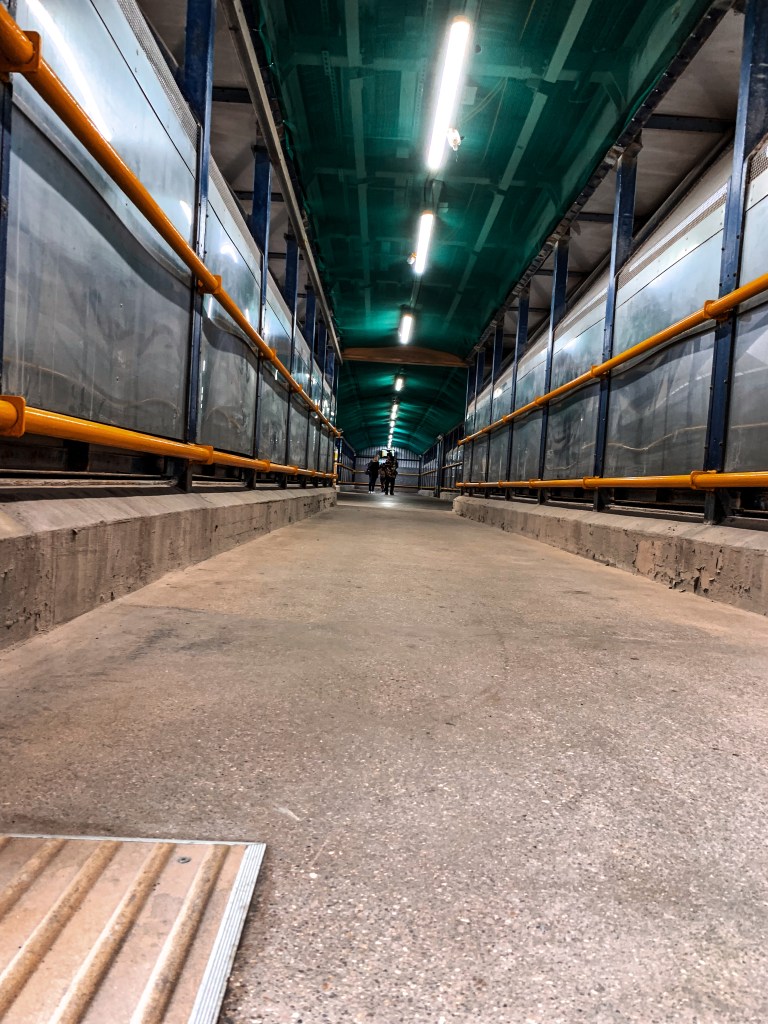
Have you ever noticed the staircases you pace up and down at the train stations moving from one platform to another? How well dressed they are? Making it safer for you to not slip and fall. Did you know that they are often well dressed with what’s called an ‘Anti-slip resistance flooring’ material. I won’t get into the detail nor bore you with it properties but all I could say is that they provide a far more slip-resistant surface than concrete and steel staircases.

Remember when I said you have to win the job to do the job? And part of winning the job is to pay a visit to the site to explore and obtain as many relevant information that could be of significance in writing your bid and estimating. In doing so, you’re already one step ahead of your competitors.

Anyway, I had the opportunity to use my Engineering skills to measure an entire station of staircases and calculate how much surface area we need to install the anti-slip resistance materials. ANYONE could do this and I mean anyone. All you have to remember from your elementary school is working out areas and perimeters of various shapes. For example Area of a rectangular shape : A = Length x Width . It’s that straight forward.

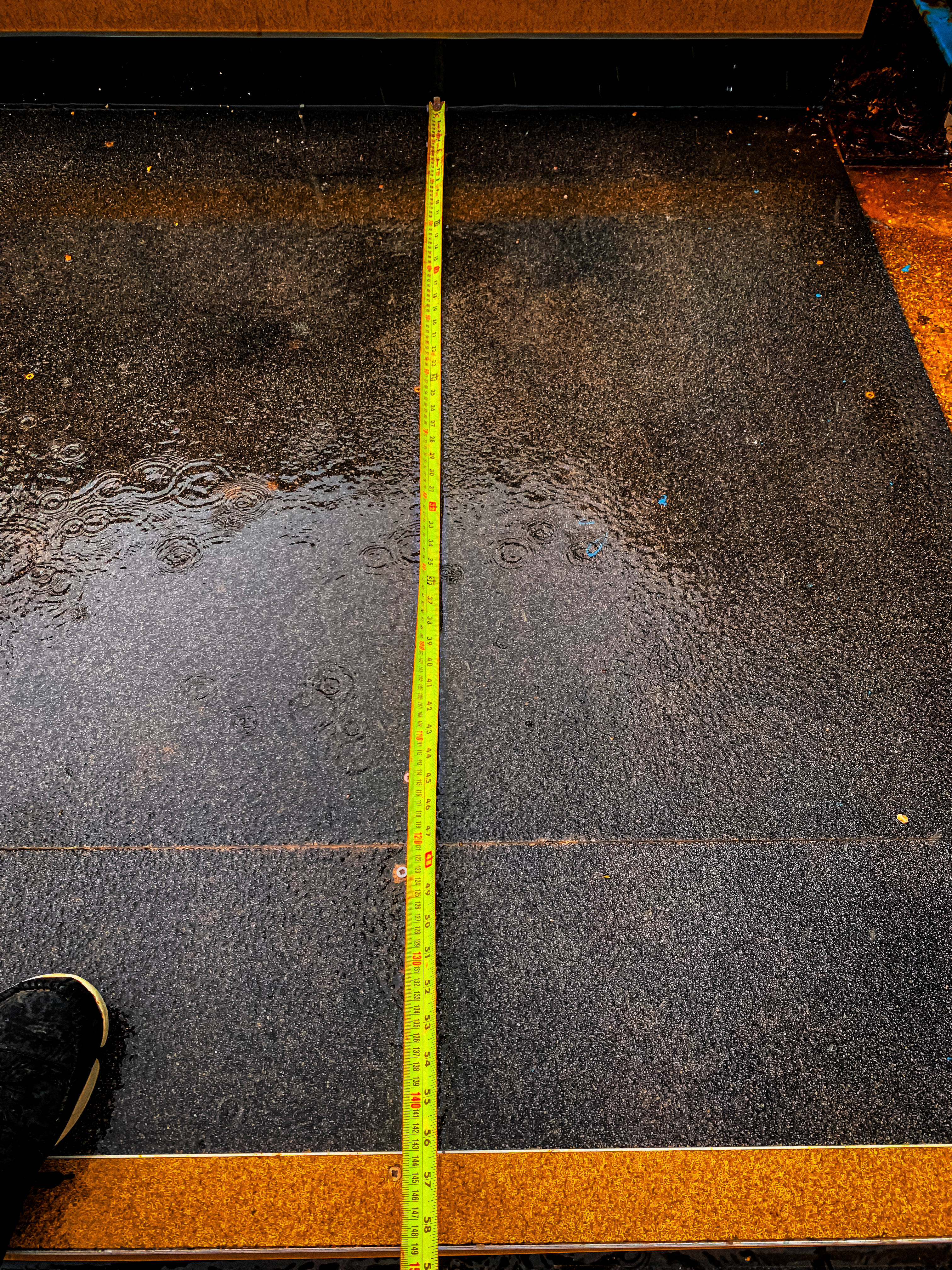
This task was personal to me. Why? Because It was conducted at one of the stations in my hometown city – A city of roundabouts called Milton Keynes. We don’t often do projects in Milton Keynes region so you could see how personal this was to me.
The same day I was informed of this task I wasted no time in igniting my engine and cruised down the Motorway from London to Milton Keynes Bletchley Station.
I arrived and spoke to the station manager, signed in and he gave me access to the station and I went to work. It started pouring with rain but that didn’t stop me. A train passenger approached and asked for my assistance with the train journey – thinking I work there – I was happy to help. Another passenger (who walked past me earlier) approached with curiosity wanting to know what I was doing. We had a brief smiley and casual chat right before she left.
I finished my work followed by some final structural checks, access and parking. I signed out and finalise my calculations and sent it to my manager. This information is then sent out to sub-contractors (specialists that manufacture and install the anti-slip resistance material) to obtain a price.
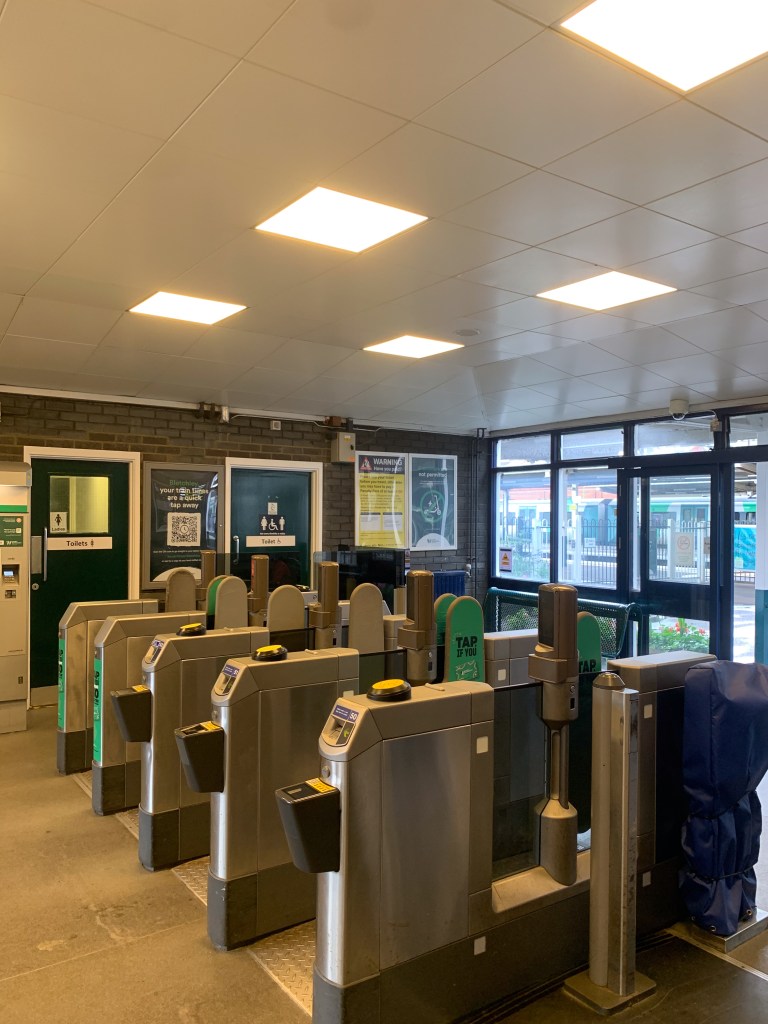
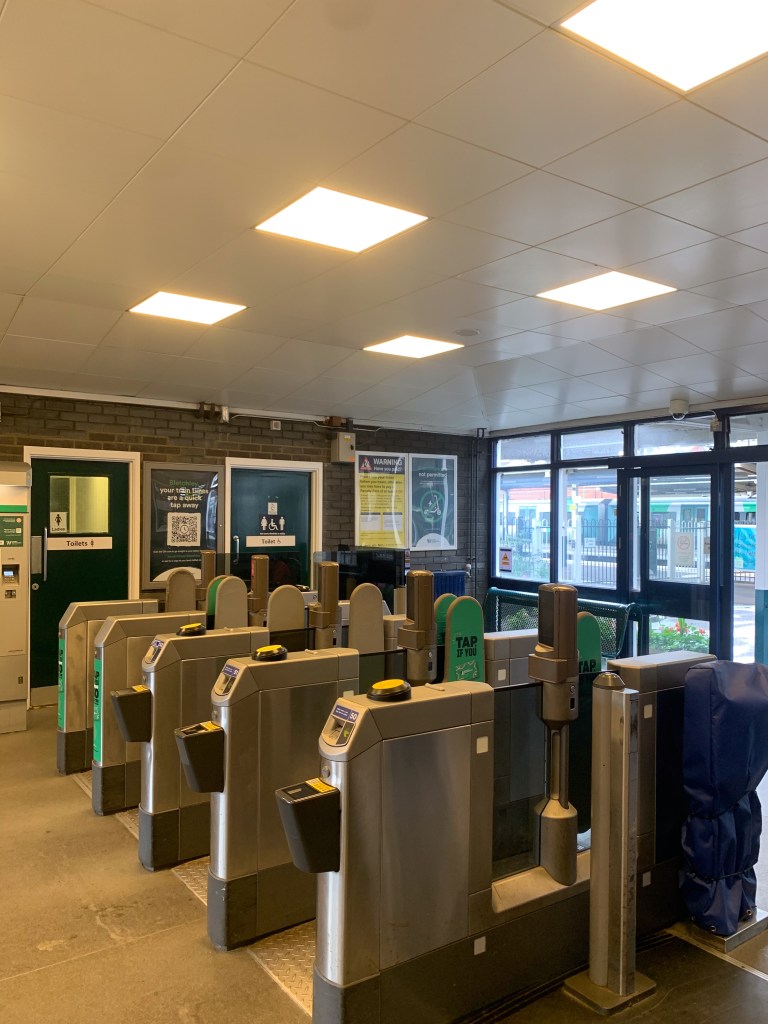
Looking back I used to get off the train station ( a few times) hoping the barriers are open so I don’t get to pay – the life of a student at university. It felt good coming back to it but for a different reason this time around.
-
Fulham Broadway Station
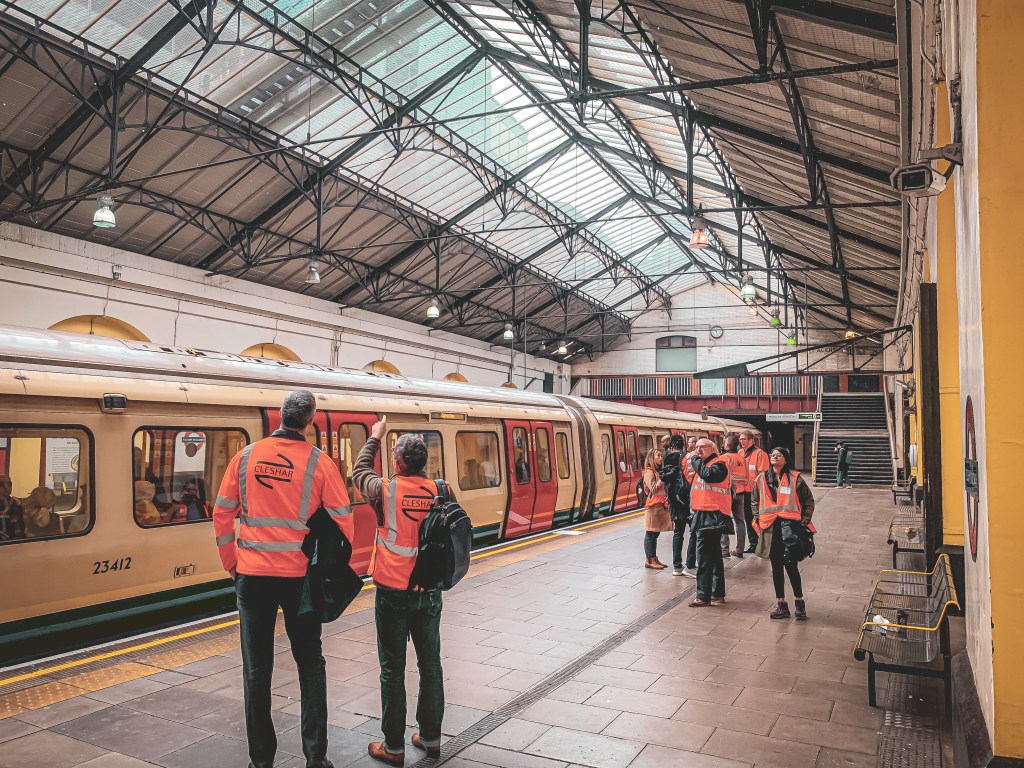
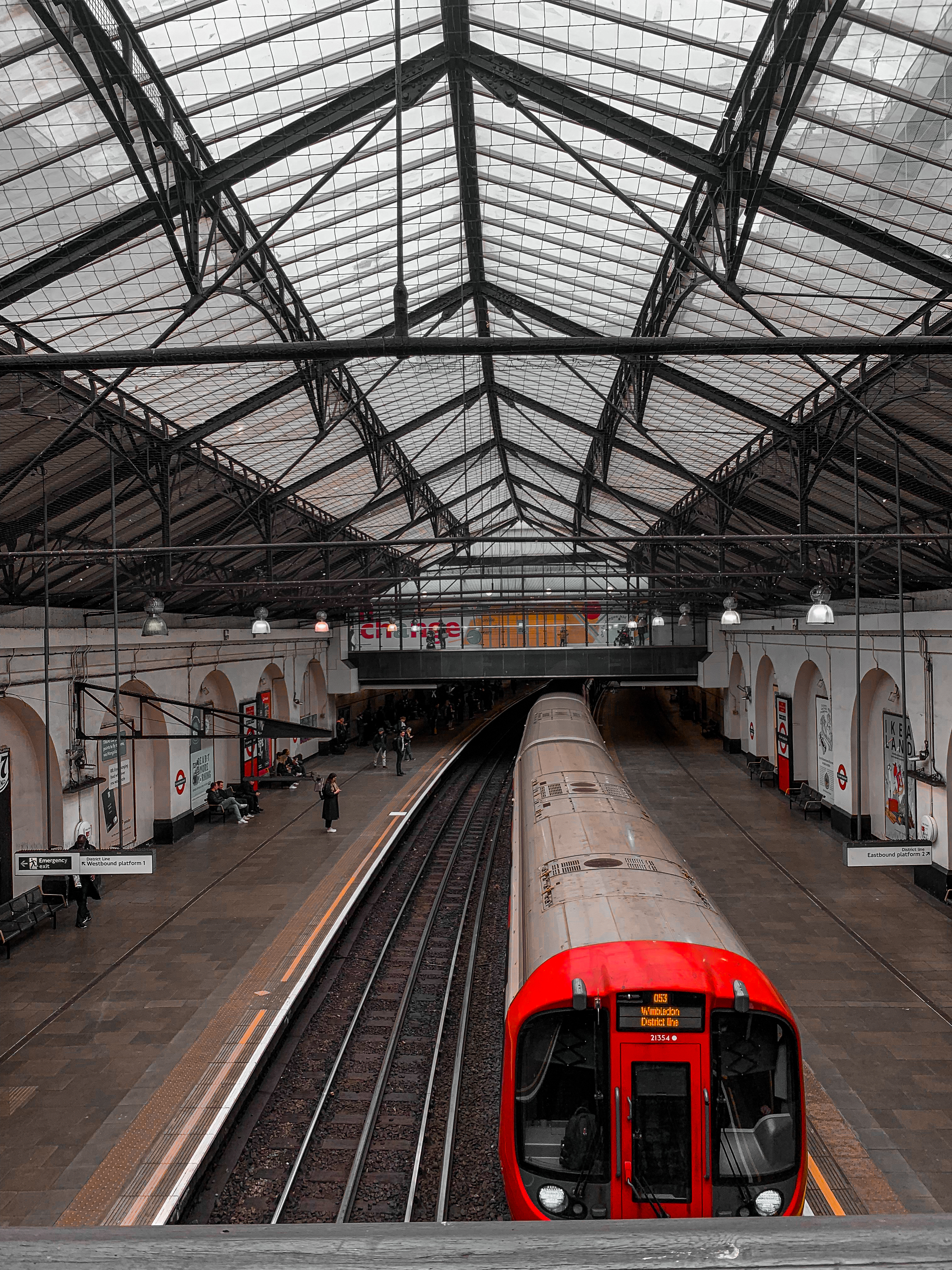
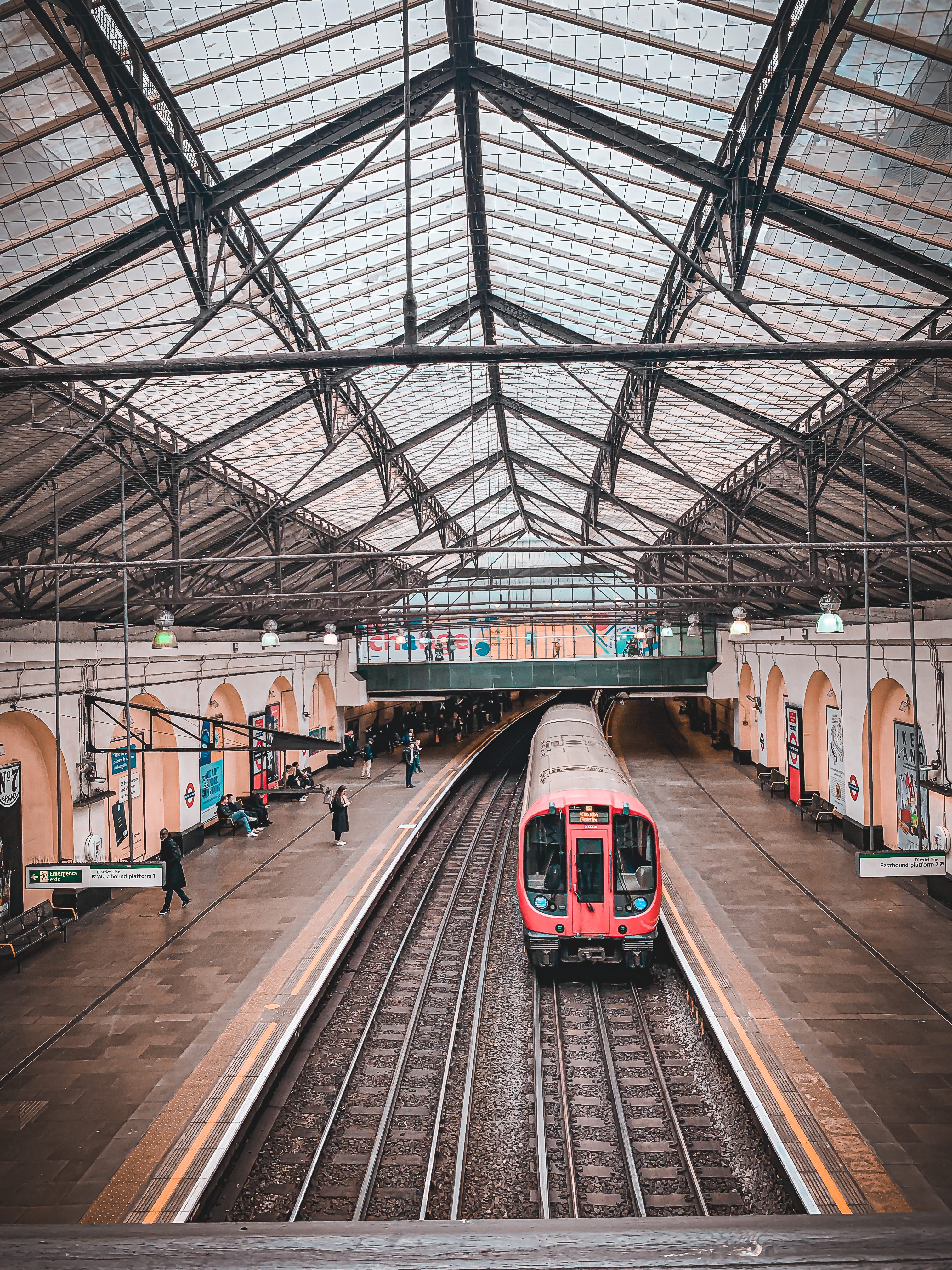
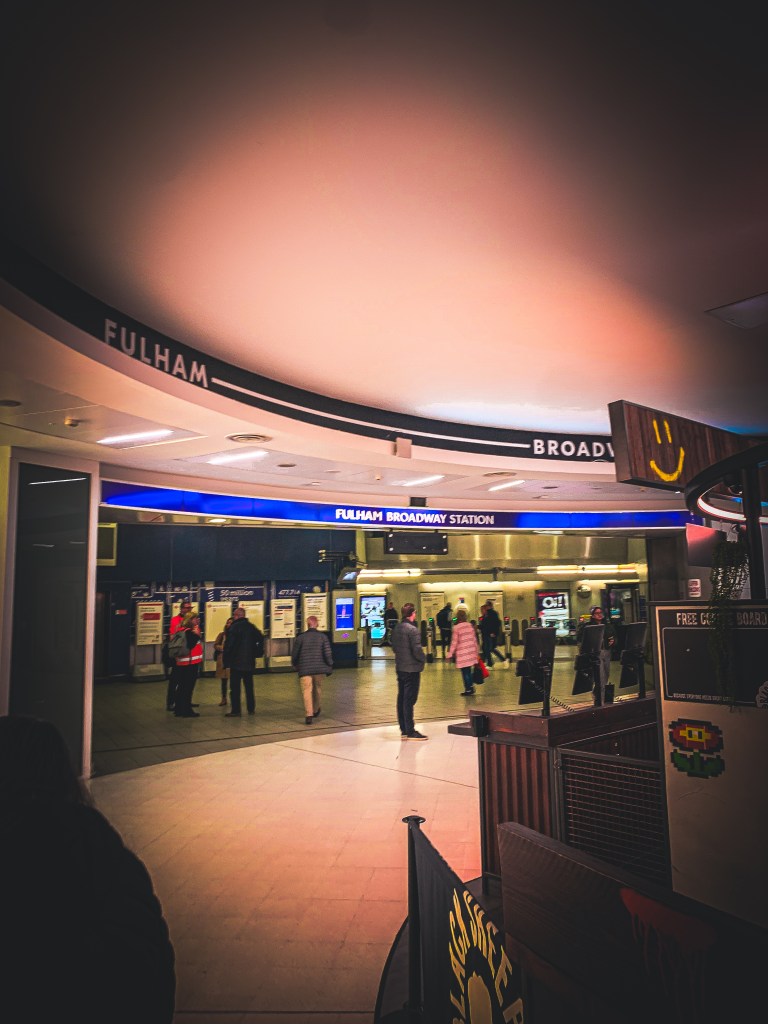
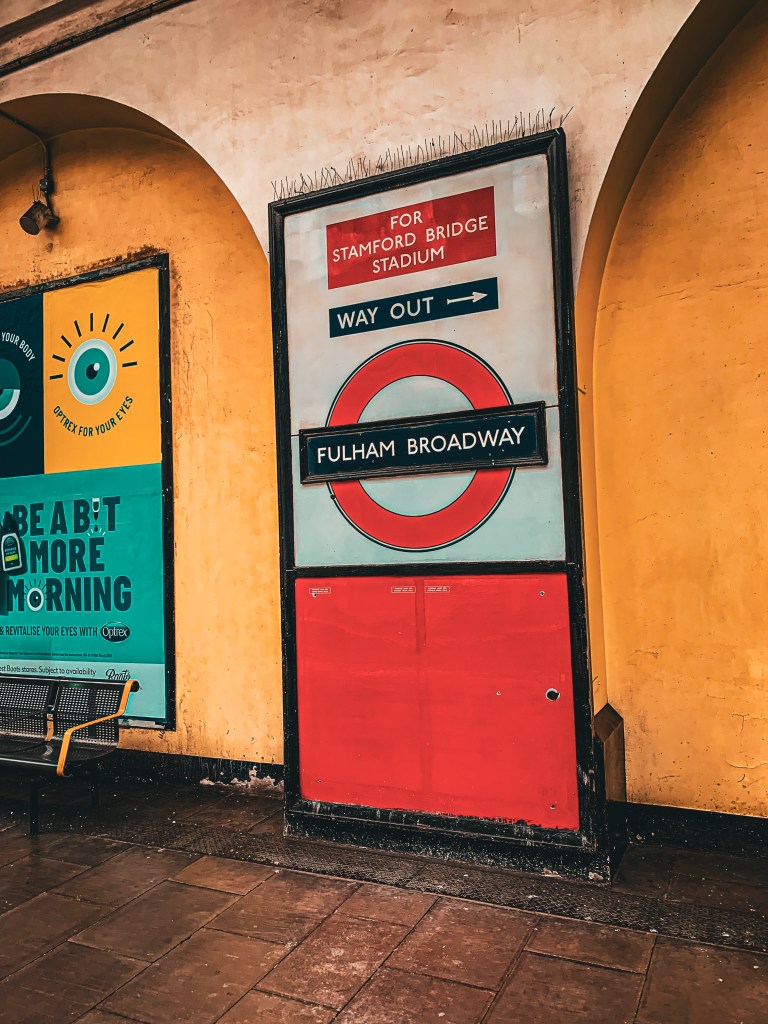
I’ve always asked myself where on earth is the Chelsea football stadium? Of course, it’s in London but where. I then had the chance of working on a project at the very train station just outside the stadium. I’ve also wondered how Civil Engineering contractors win a project in the first place. As with many things in life, you have to earn it or show that you’re more than capable of getting the Job done.
Picture going for a Job interview. You go prepared, ready to sell yourself to convince the person across the table that you are the right person for the Job. Keeping in mind, you aren’t the only person being interviewed for that same role. It’s a game of survival of the fittest. Unfortunately, the same applies in winning a contract from any of our clients. Regardless of which industry you find yourself in, I know you can relate.
I have been working with the Bid writing and Work-winning team in our rail transports division for some time as part of my Graduate scheme. Commonly known as the Pre-construction stage – arguably the first step to any job/project. You have to win the job, to do the job, right?
In summary, the client proposes a job to several contractors within a specific framework( call this the eBay of bidding but for selected group of people/companies ). A lists of questions is sent to all participants to answer. This is known as the Pre-qualification questionnaire. Allowing all participants to showcase their case studies on previous projects and providing standard company information. If the client is happy and convinced with what’s been presented they’ll formally invite us to the next stage – Invitation to Tender.
The invitation to tender consists a file of technical and commercial questions. It gives us the opportunity to explain how we are going to plan (program), present, price, and build (methodology) the job. Most importantly, the health, safety and well-being, environmental sustainability, and quality.
The client has a scoring system targeting key areas such as cost, quality, time, safety, etc. Therefore, our pre-construction team must put forward robust responses by answering the questions and making it easier for the evaluator (client). The contractor with the most compelling, clear, and compliant responses is scored higher and therefore awarded the project. There is a deadline you do not want to miss it. Time is of the essence.
Okay, where was I? Right, I’ve been spending time with this team and understanding the different processes involved. In most cases, the client would encourage all participants (contractors) to visit the initial site. It gives us a practical understanding of the project and to consider any challenging obstacles ahead. I had the pleasure of visiting one of these projects. Personally, during my visit I was more overwhelmed by the experience.
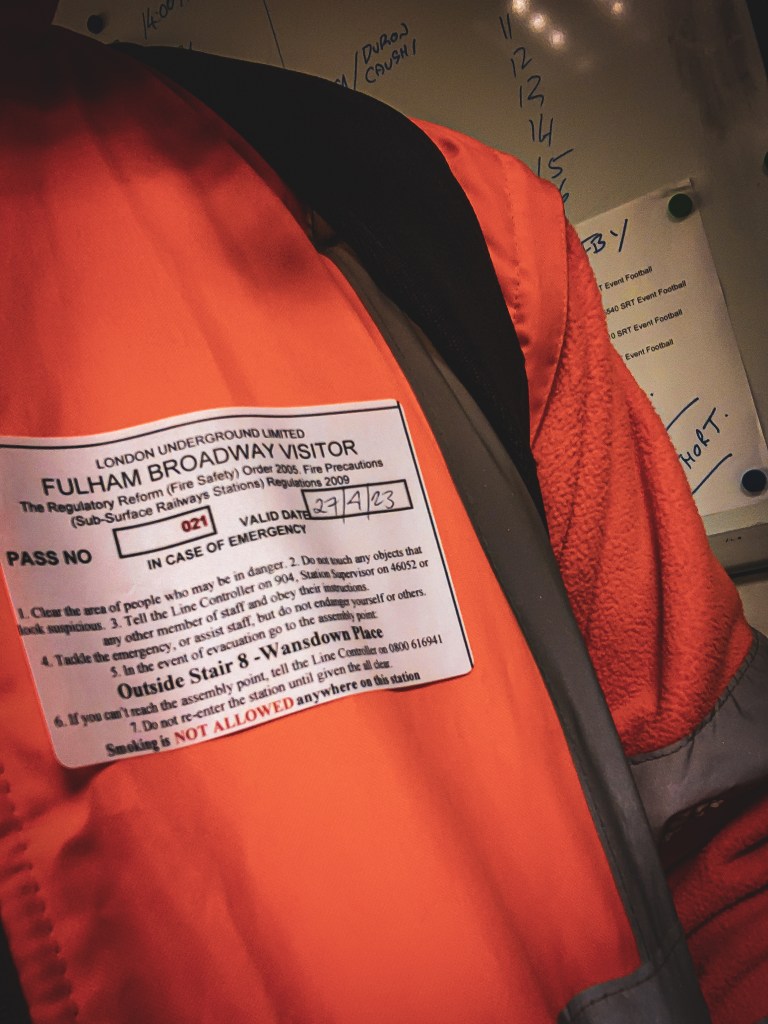
From meeting with a senior colleague of mine at Starbucks to meeting with other contractors at the designated meeting point – Fulham Broadway station entrance. We all stood and waited along for the client’s representative. To break the ice the client gave us a platform to introduce ourselves. We then proceeded to the station surveillance room to sign in and be given a brief induction of the do’s and don’t.
We advanced to what the job is : the replacement of an existing glazing roof at Fulham Broadway station. A station just outside the Chelsea stadium. On game days this station is filled with football fans. Therefore, it becomes challenging, working on a live platform with hundreds of Chelsea fans and others breezing into the station with haste. Therefore it’s important to understand the logistics behind delivering the job.


I had the pleasure of chatting with other participating contractors. They were very open and welcoming. Being the youngest in their presence, you could say I had the adrenaline itch to ask as many questions as possible.

Upon completion of our tour around the station, a few of us went back to Starbucks to have more casual and professional chats over some coffee and hot chocolate. We then went our separate ways. I walked out of the station to have a view of the Chelsea stadium (from the outside) for the first time, before heading back home.
-
Graduate Residential Week – Part 2
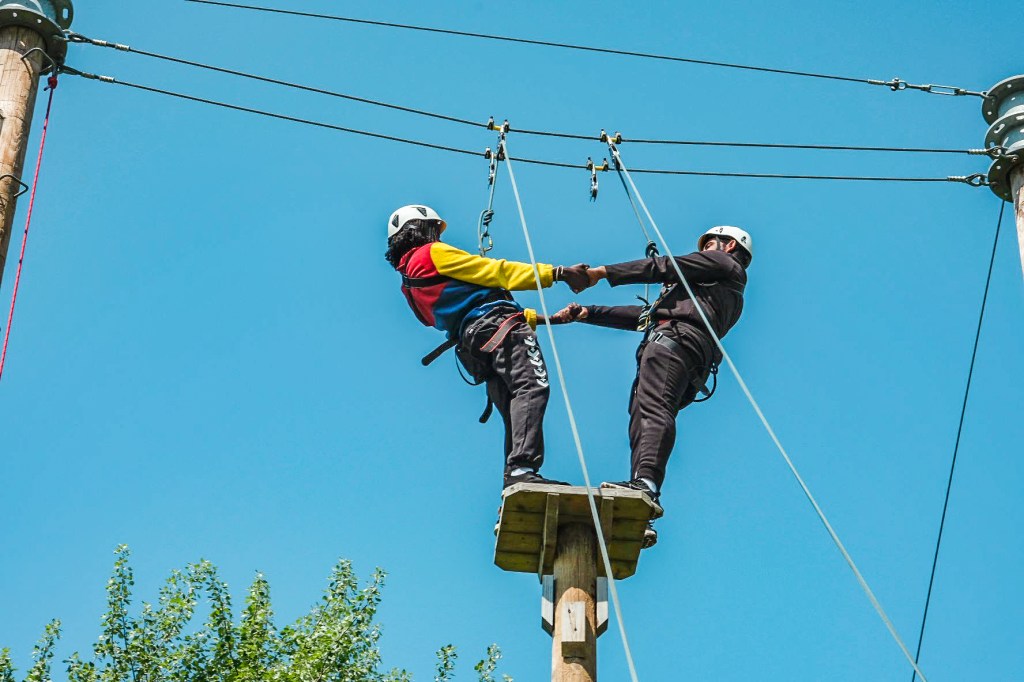
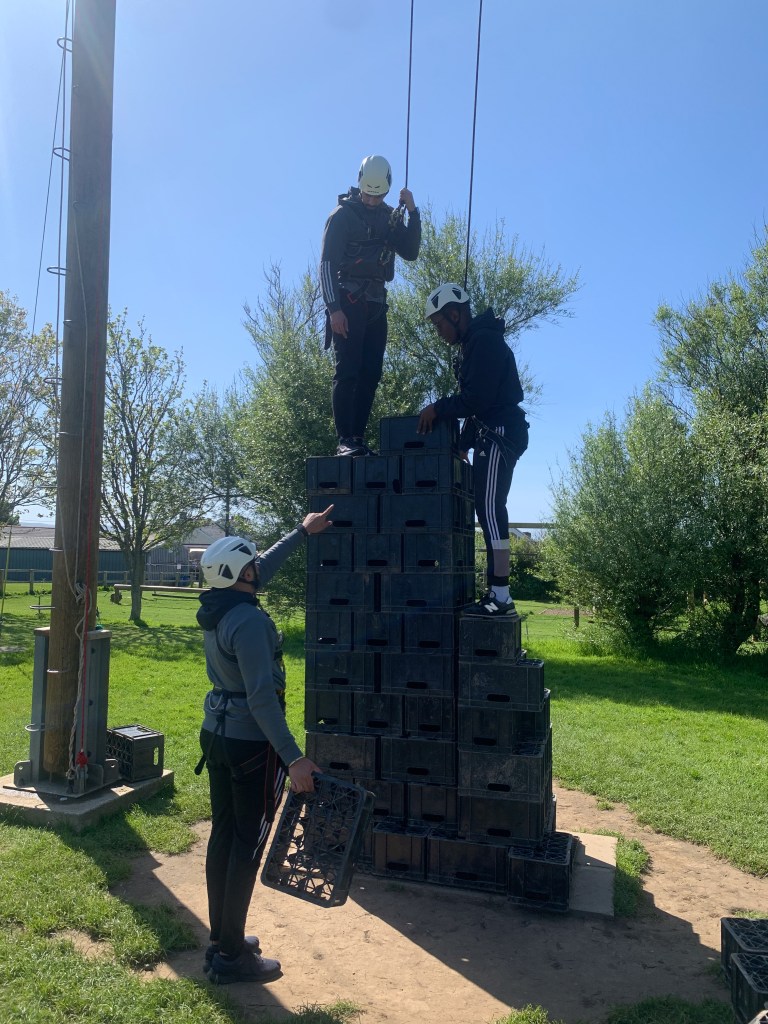
This would be the second time we’ve taken a trip down to north of Devon at Skern Lodge – Appledore/Bideford. The team of Graduates have now expanded from 5 to 9 graduates – so you could say this year’s trip to skern lodge should be a bit more challenging and interesting as we had some new faces to the team.
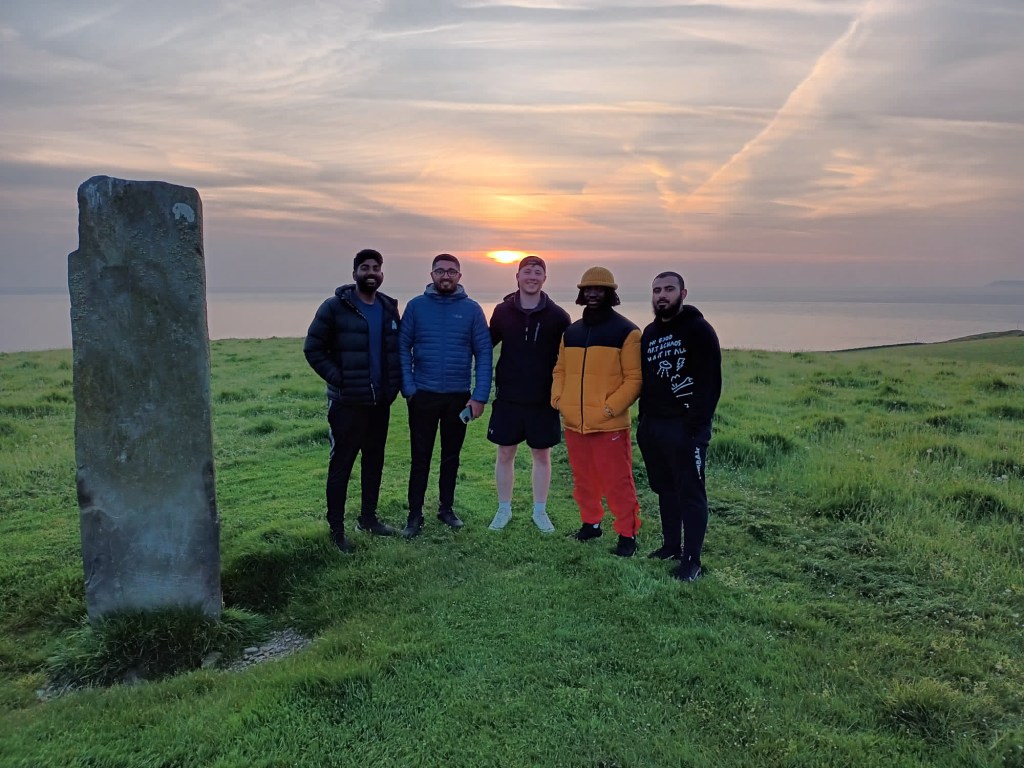
Just a recap (from last year’s blog) the purpose of this trip was to escape from our daily work environment (for 5days) to a different scenery, where we are tasked with challenging obstacles that could help enhance our performance and increase our confidence, whilst trying to adapt to the new environment. A program incorporated into our 2-year Graduate development scheme.


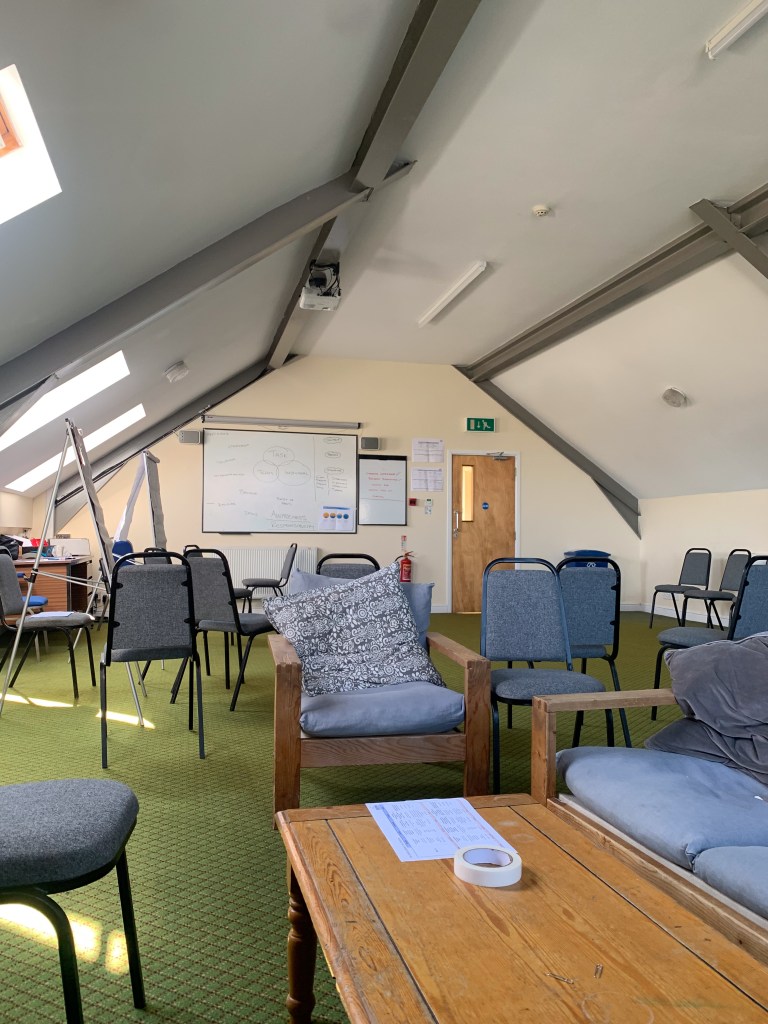
We stayed at Skern Lodge outdoor activity centre where we did both daily structured classroom sessions along with an outdoor diverse range of activities. The purpose of the classroom element was to instill and explore various individual and team-building skills.
For the classroom aspect, we were taught various types of learning styles, how to receive and give feedback, stages of a teams development, how you see yourself compared to how others see you and more. Finally, discovering whether you are a task, team or individual orientated person or perhaps bounce around those areas depending on the environment or task at hand.
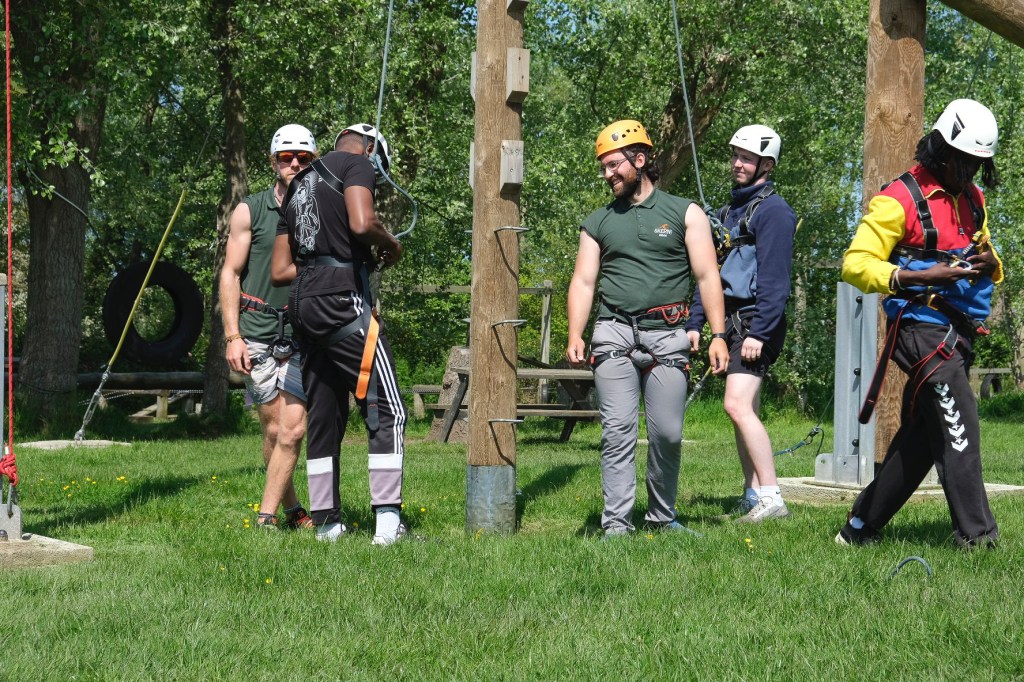
The outdoor activities saw the implementation of these classroom training to explore our leadership styles, strengths, weaknesses and how we could provide feedback to one and other to help enhance our performance and improve our confidence. These actvities were there to test our resilience, responsibility, accountability, ownership and growth mindset.
Below are some of the outdoor activities we did :
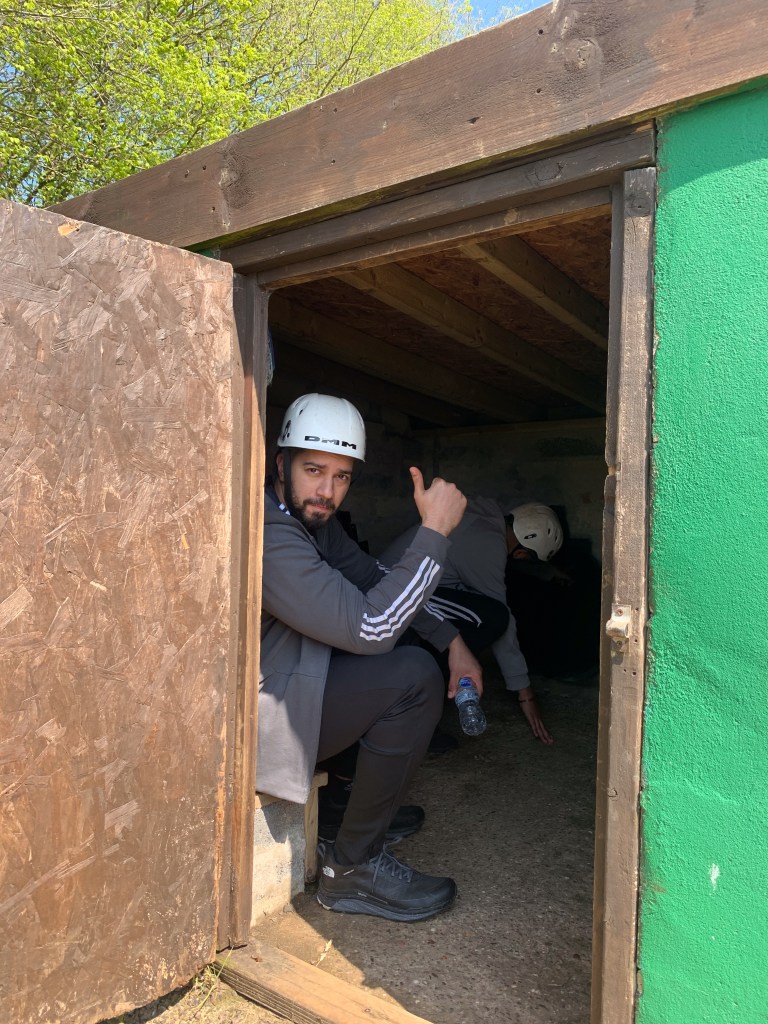
- Tunnelling
- Archery
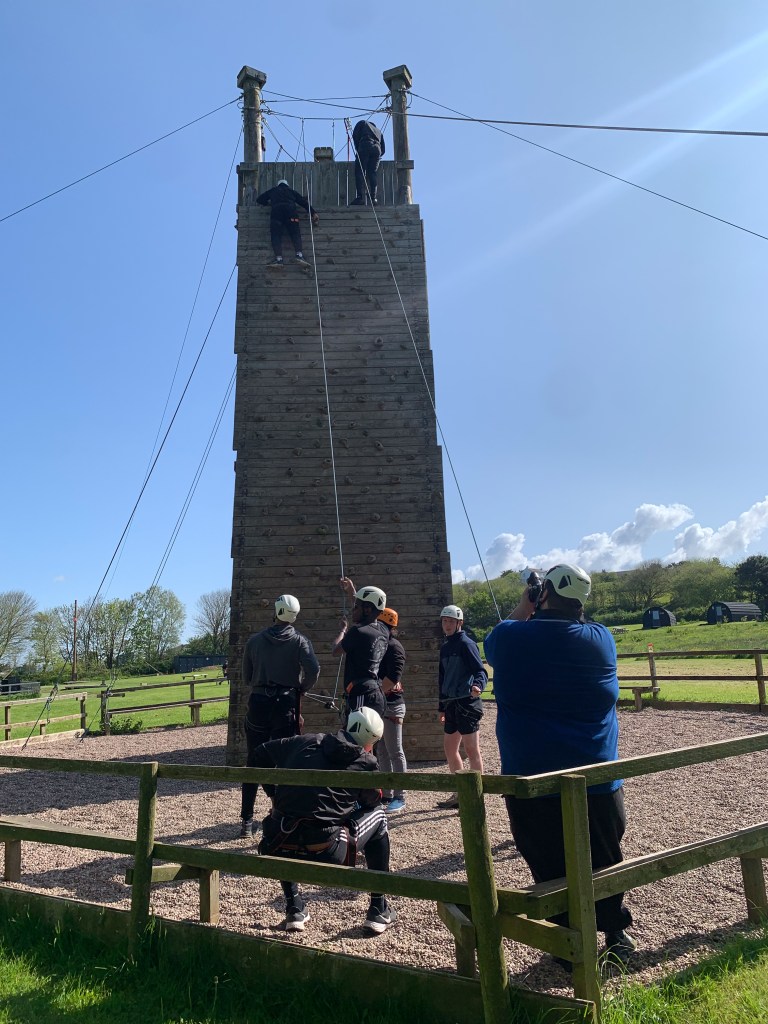
- Abseiling
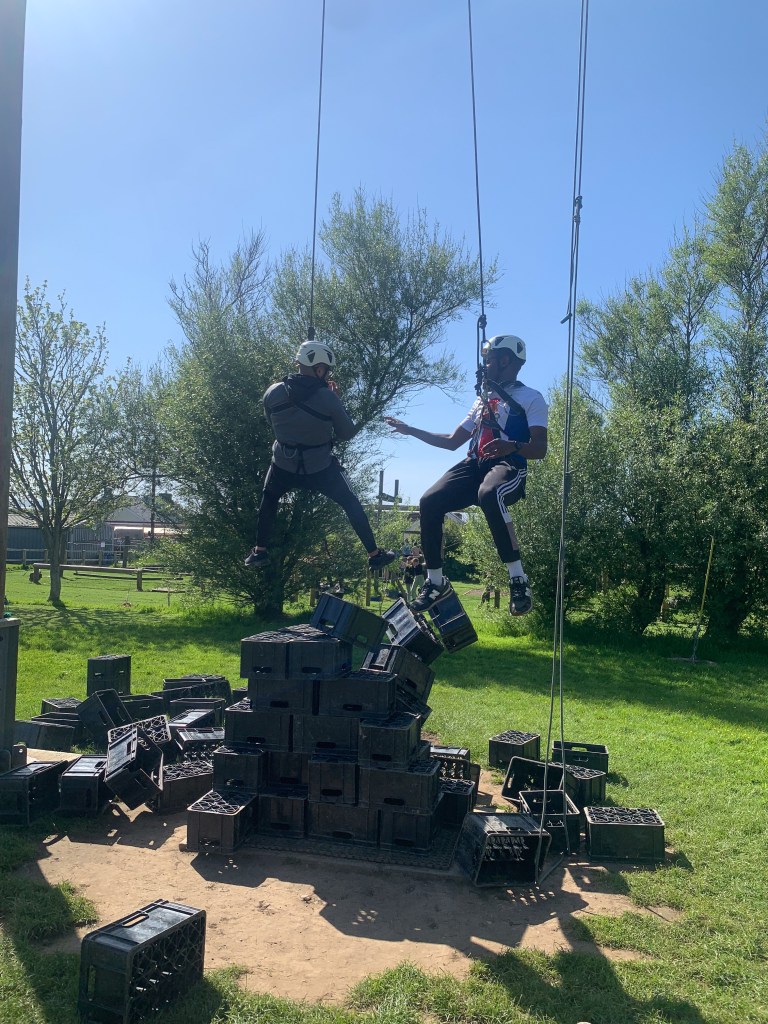
- Crate stacking
- Rock climbing
- Camping expedition
- Hiking
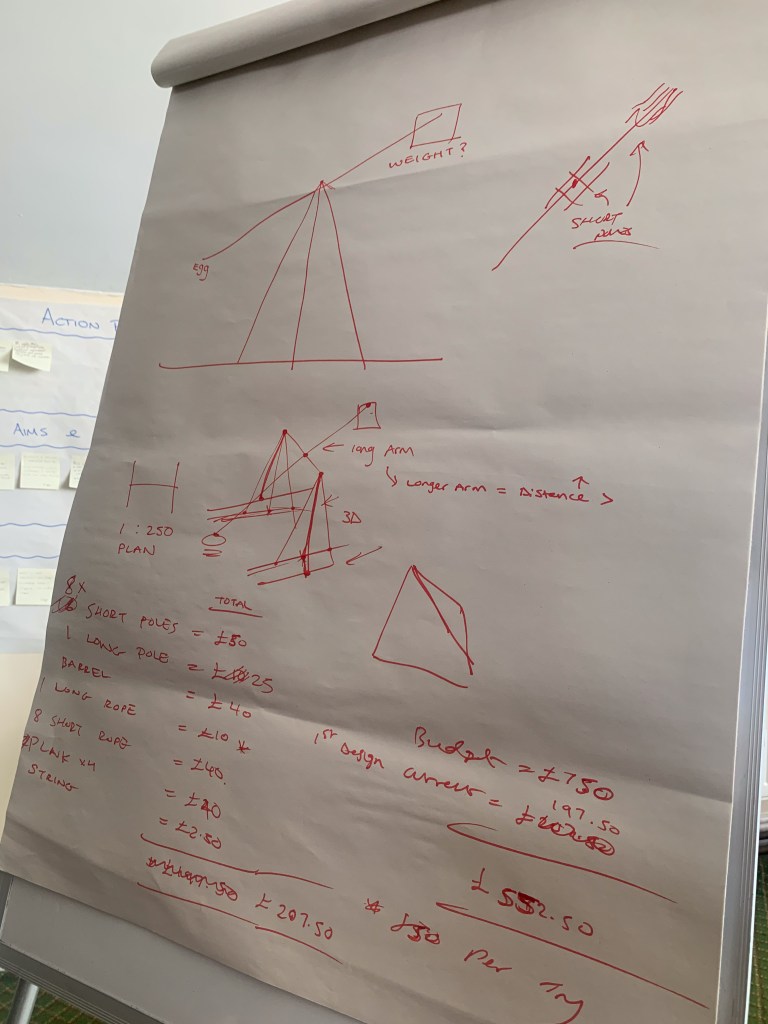
- Design, build and test a Trebuchet
- Powerboat ride
My favourites:
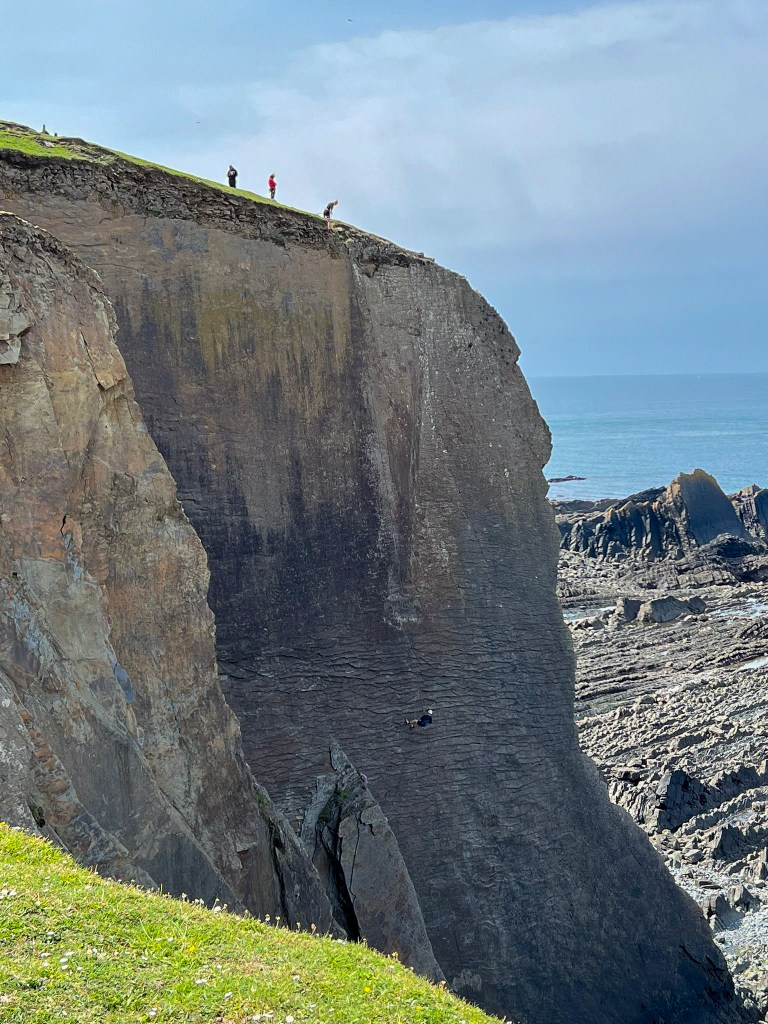
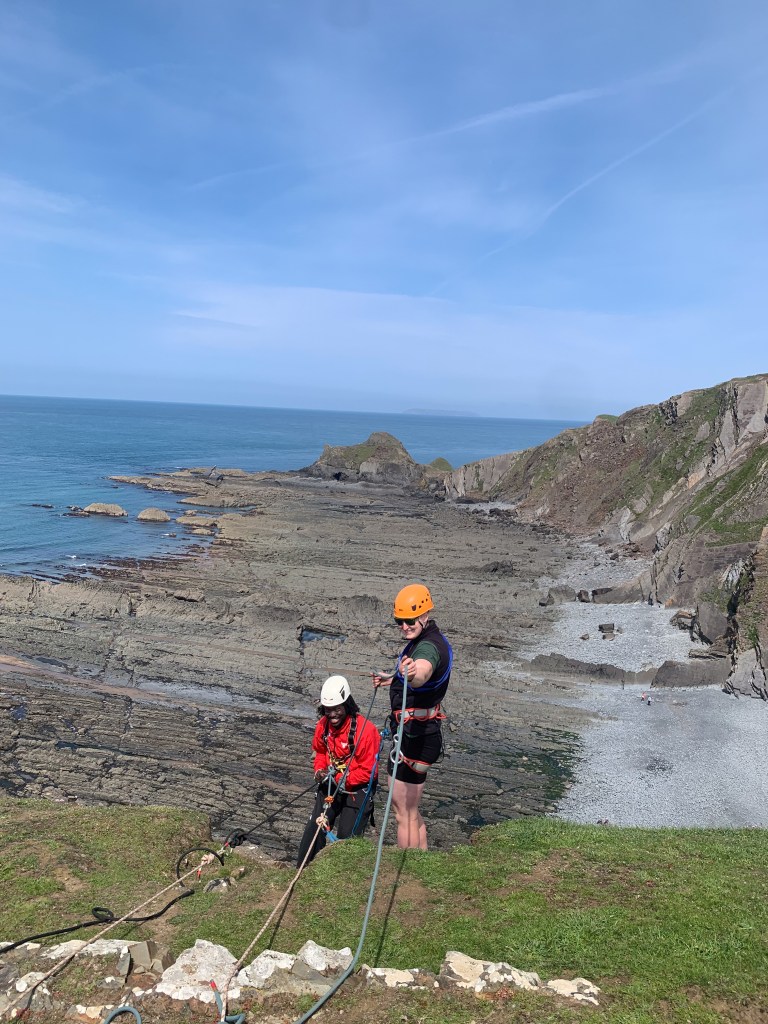
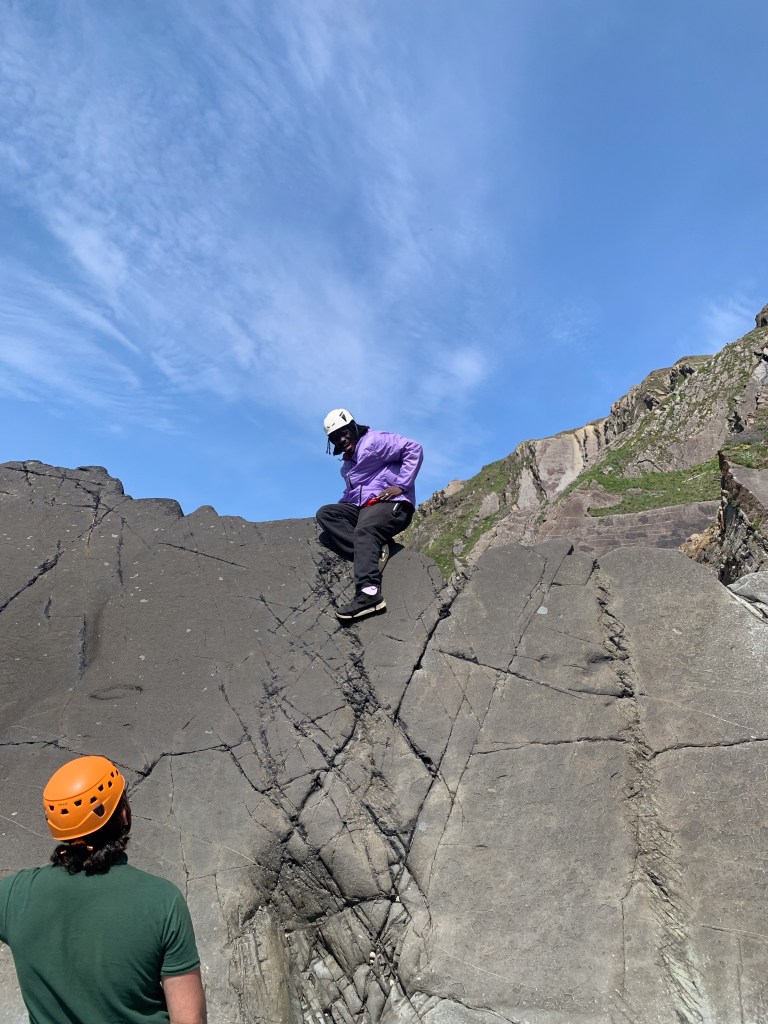
Abseiling down a 180 – 190 feet cliff – We had a little practice at Skern Lodge centre on one of their 10feet abseils but nothing compared to and prepared us for the real challenge. We undertook this abseiling at the heart of Hartland – which was 40min away from our campus.
After hiking through the beautiful naturistic scenery of Hartland we arrived at a stop to face one of our greatest fears, yet. As you’d expect it was huge and tall hence instantaneously it threw panic and anxiety in the air allowing some to drop out from the challenge.
For the few of us that participated, the fear kicked in at the very start of getting the harnesses strapped on and the approach to the edge of the cliff – but once you’re there and take one step down you feel at ease and calm. An invaluable experience and one to remember. Funnily, to my own surprise, I did it twice and paused for a quick selfy halfway down.



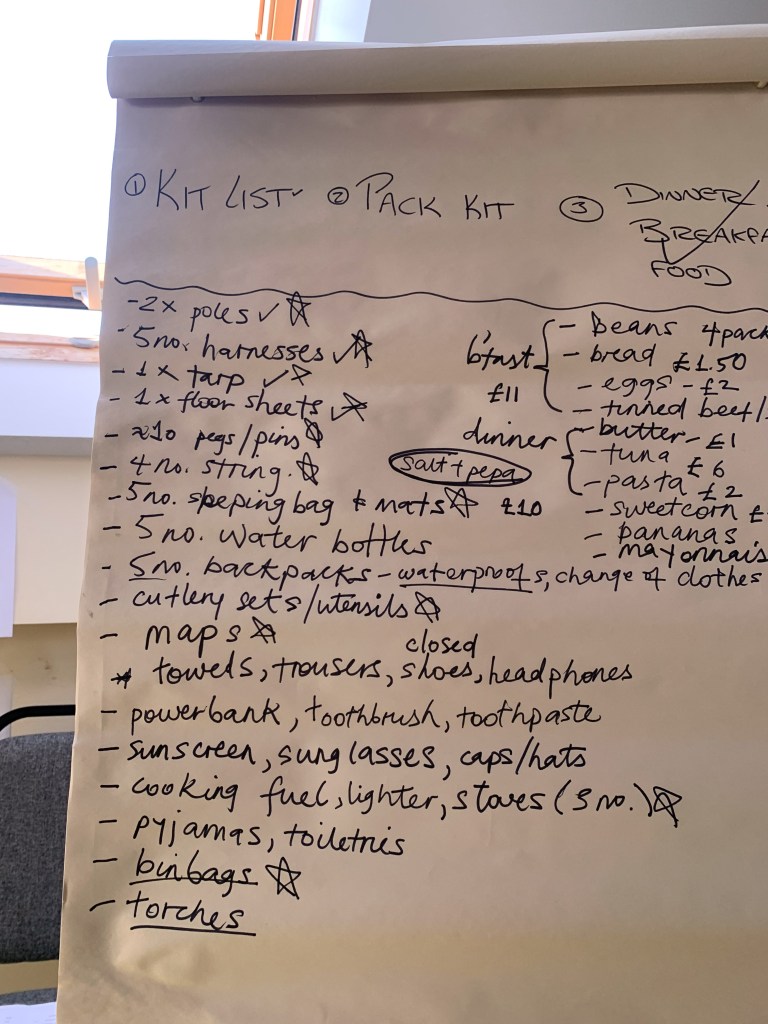
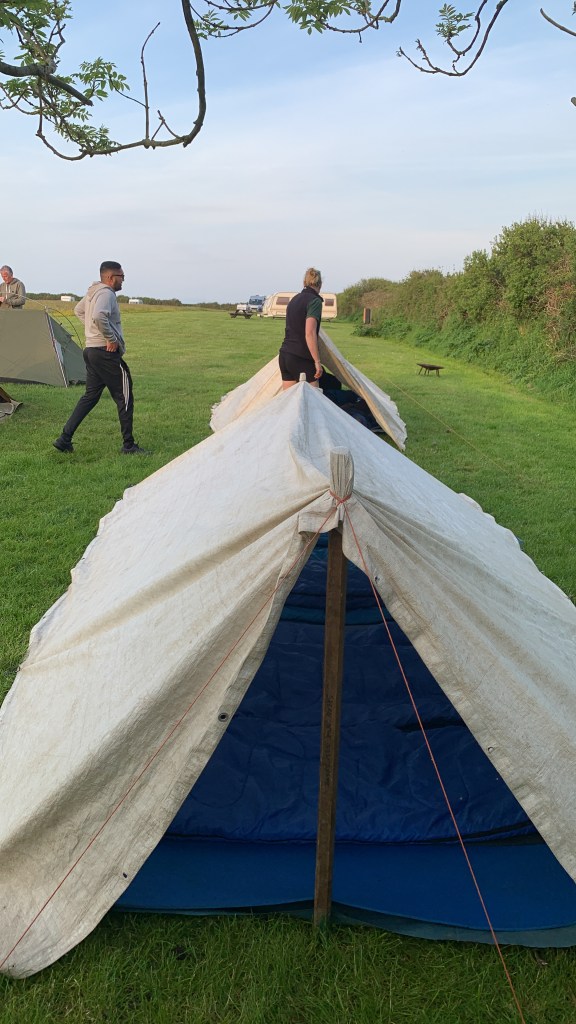
Camping expedition– One of the 5 days we spent involved camping at Hartland. There was no room for posh and comfy camping tents as we had to build it with the materials given – After all that’s what Engineers do. We also collectively discussed the items we’d be needing on our kit list, as the plan was to spend the night, camping.
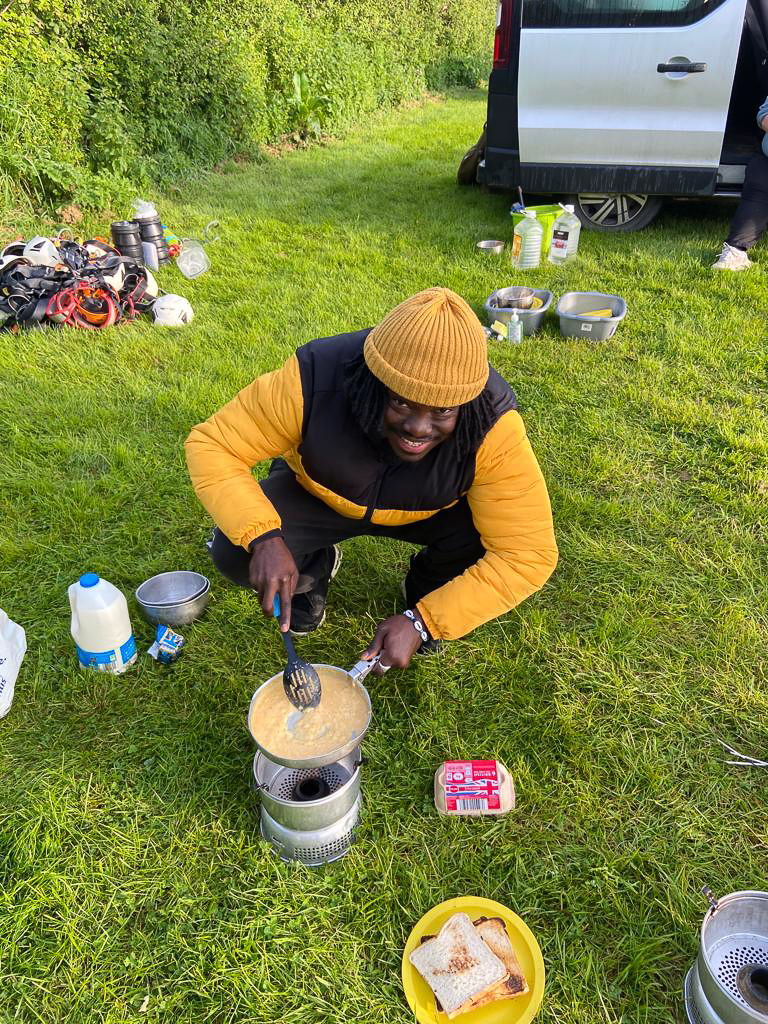
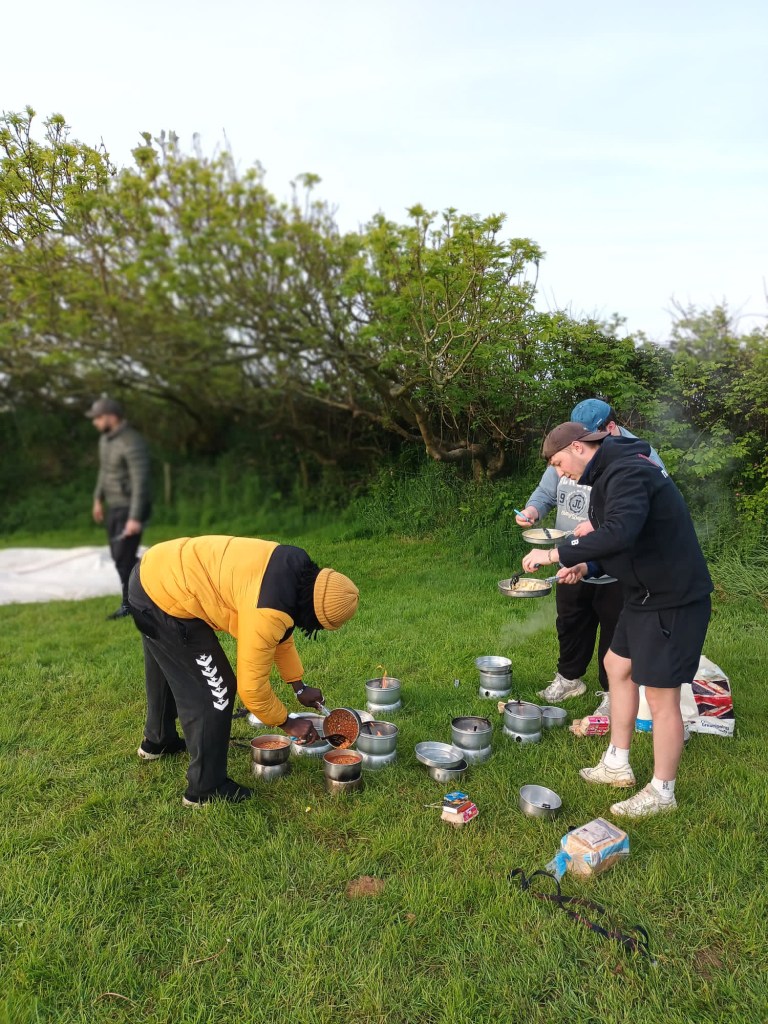
Therefore it was important that we took with us every essential item. Prior to that, we were given £25 to spend on breakfast to feed the belly of 9 people. You could picture everyone saying what they want to eat for breakfast with only £25 to spend. Compromise was the decider in this battle.
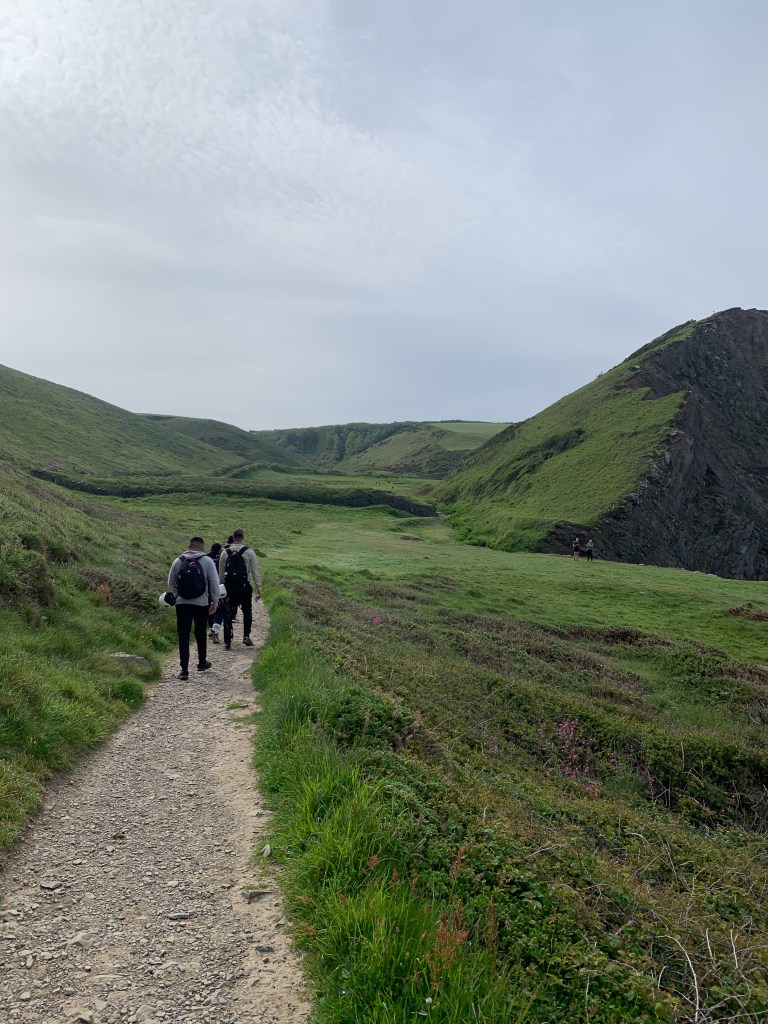
Hiking – The following morning after breakfast, we were tasked with a very old fashion traditional Map to rumble into the nature of Hartland. The aim was to walk to specific locations by collectively looking at the features and clues on the map. Doing this whilst hiking up and down the hills of Hartland was quite challenging. However, that’s the whole point – resilience.





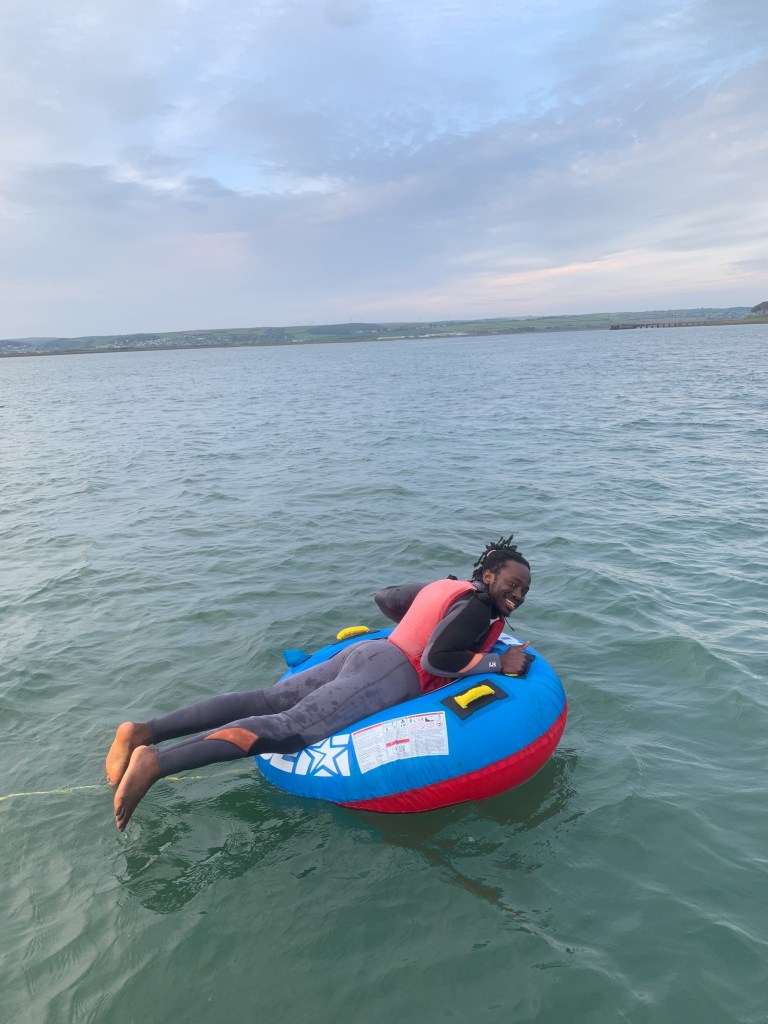
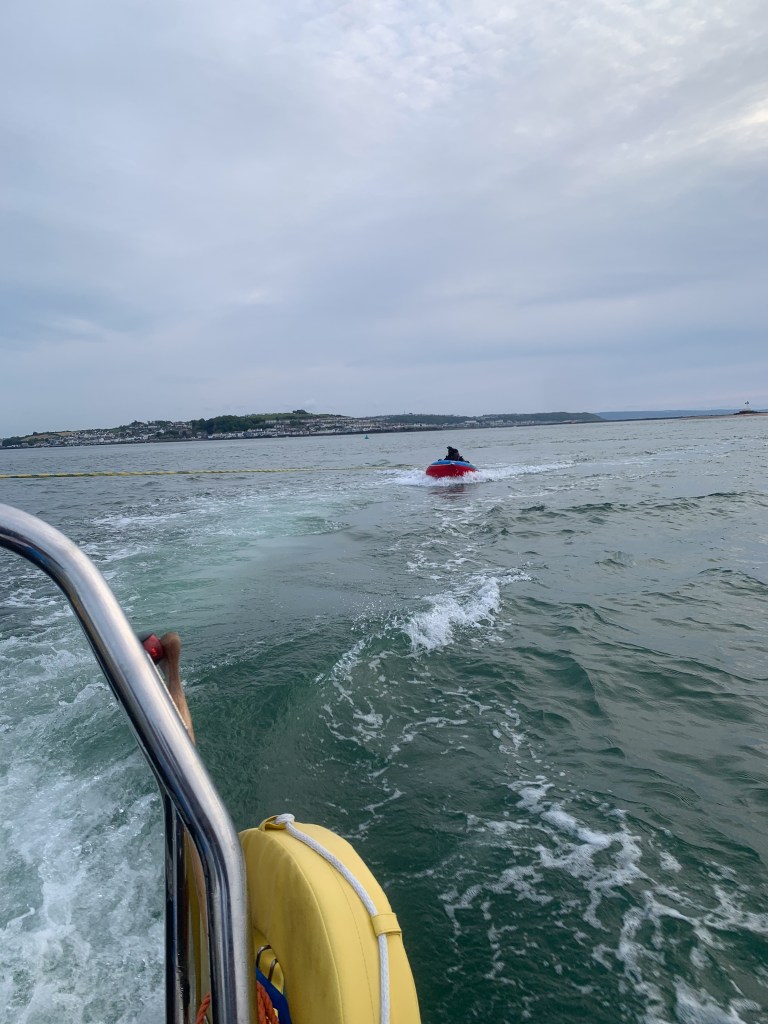
Powerboat ride – We we’re encouraged to volunteer by hanging onto a doughnut whilst being dragged through the turbulent behaviour of the seawater of Appledore by a powerboat. Thanks to the buoyancy outfit that aided my lack of swimming knowledge but I had to let go of that fear and trust process. Another experience ticked off the bucket list

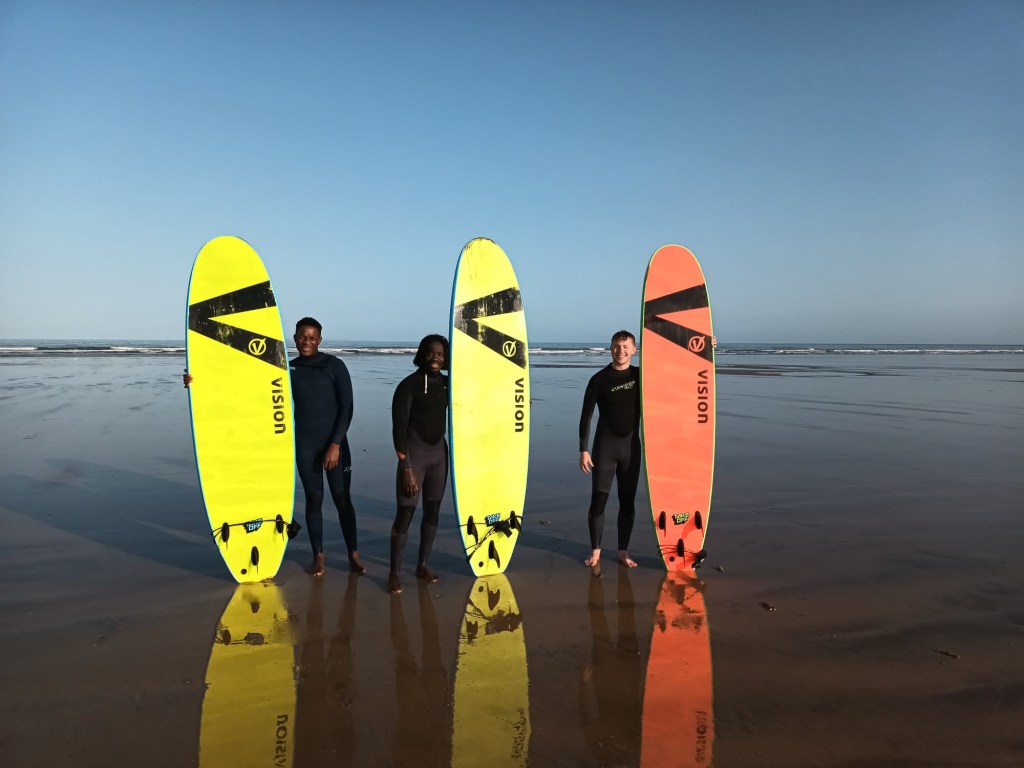
Surfing – A few of us volunteered to go for 6 am surfing. A reminder to myself – I can’t swim. So how is this going to work? The coach gave me reassurance and I was calm and ready to battle another fear.
If you’re wondering how I did during the 40 minutes we spent surfing. I couldn’t stand up not even once (I was very…close though) as I was constantly been swept by the turbulent waves but I kept on going regardless. The experience was one of a kind, loved it. But hey.. that seawater was COLD (at first)!.
The overall aim of this experience is to set out individual aims and objectives and what we think the obstacles could be along the way and to do the best YOU can to adapt. Lastly, at the end of the course we all had the chance to reflect on week and populate an ACTION PLAN to help ENHANCE our PERFORMANCE and IMPROVE our CONFIDENCE both personally and professionally. An experience that’ll forever go down as one of my favourite memories of being a Graduate.
Link to : Skern lodge
-
The English Riviera

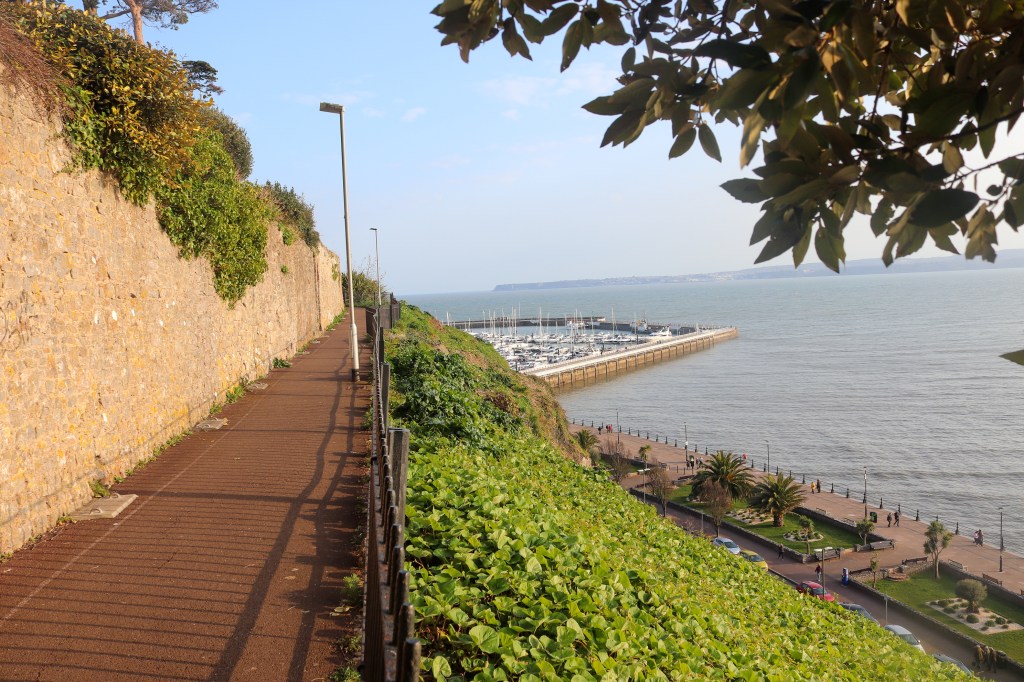
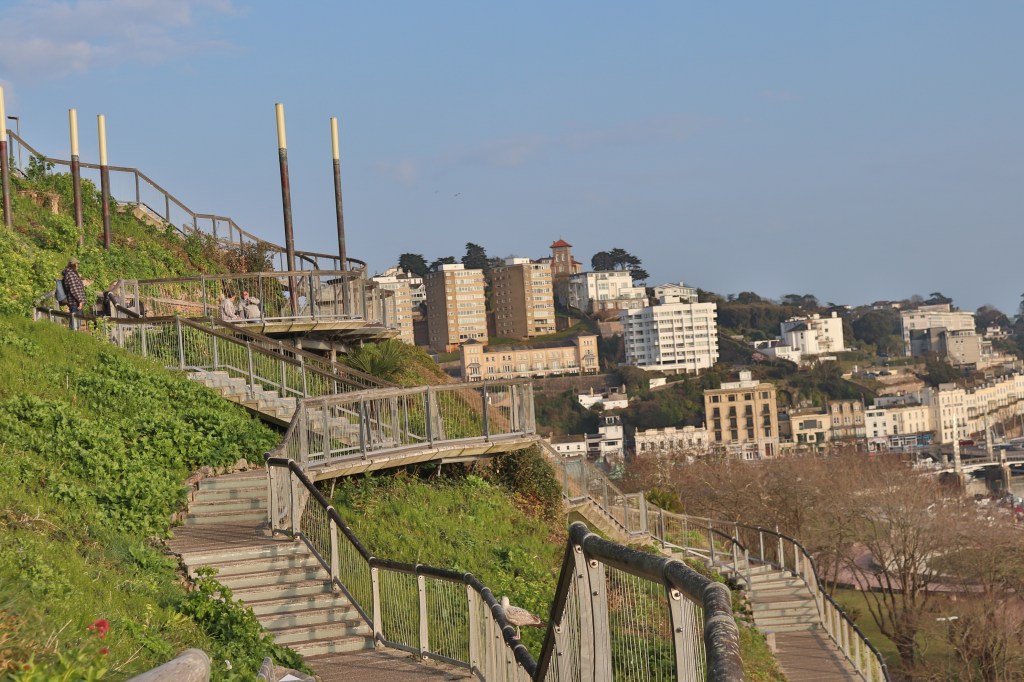
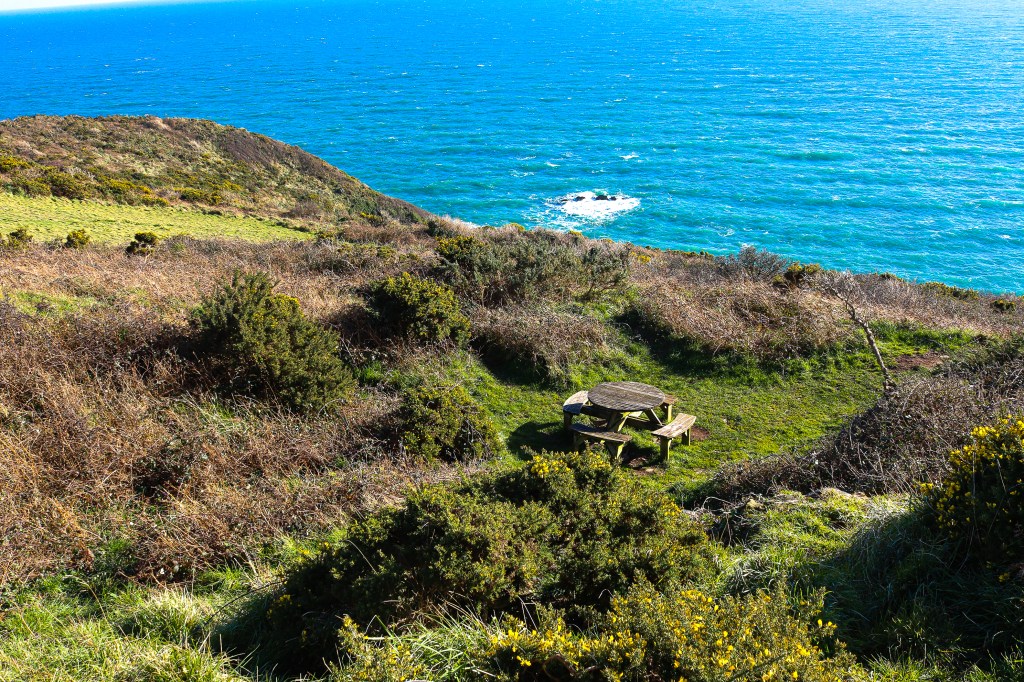
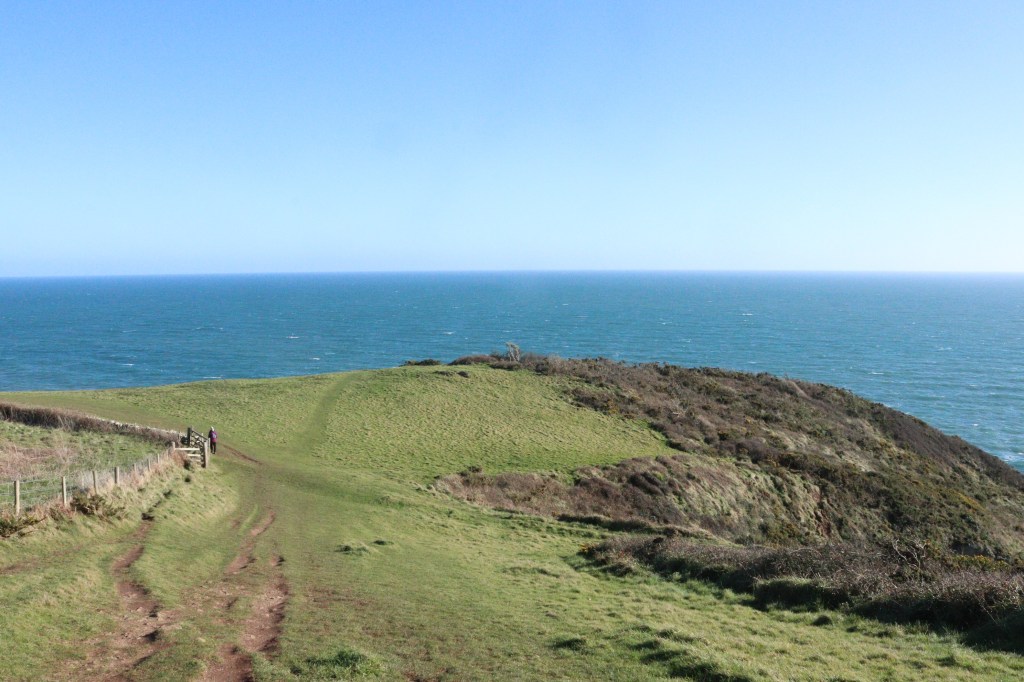
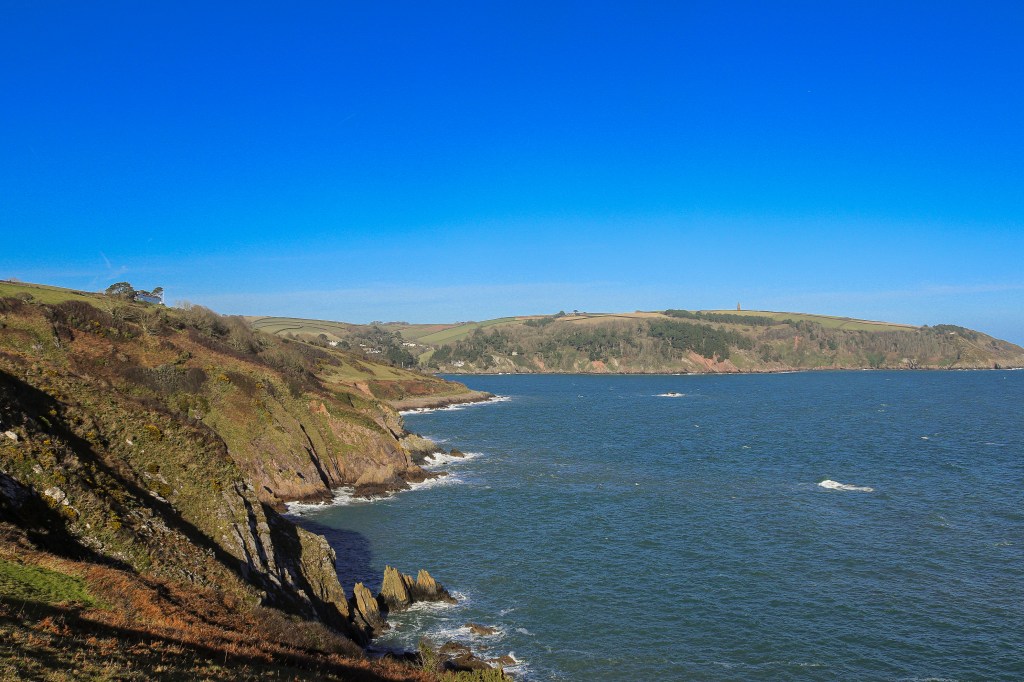
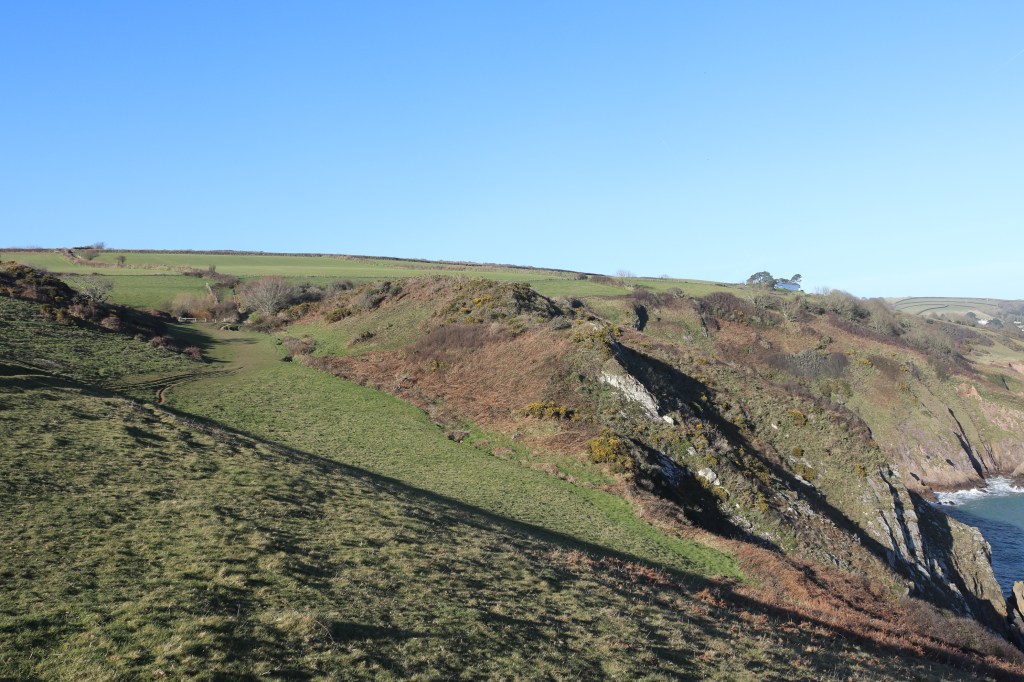
Lovely beaches🏝️, Tourism, spectacular nature and scenery 🏔️may come to mind. A place enriched with wonderful sea views and Nature:The English Riviera – Devon. That’s right, England does have a Riviera😎. South-west of England, a place that will forever hold great meaning to me.
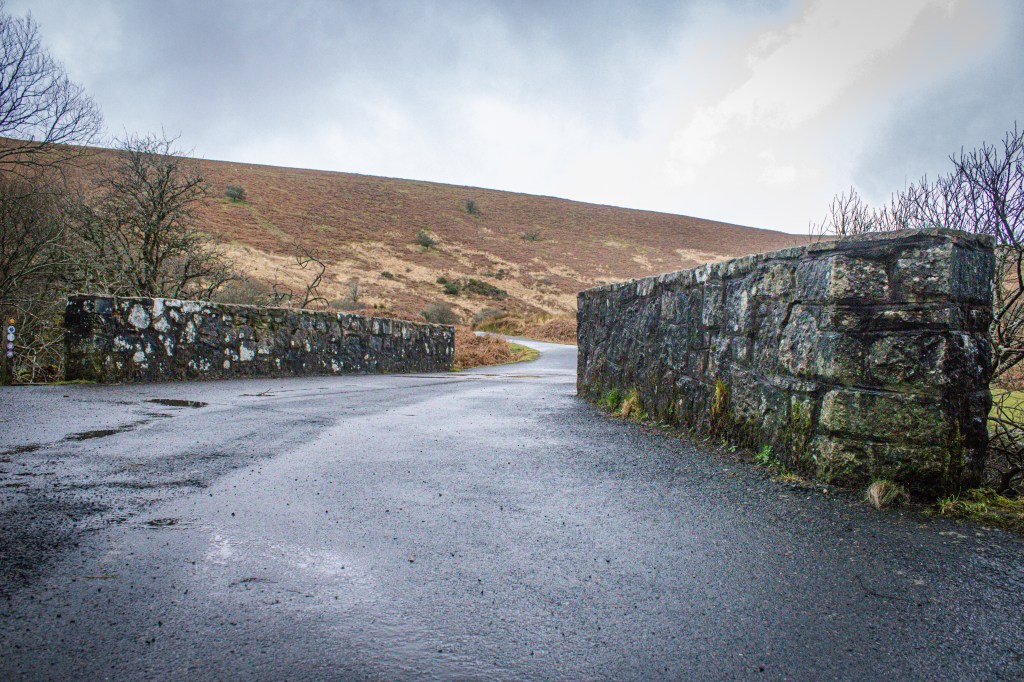
I got involved in the demolition of an old bridge and installation of a new one between Torquay & Paignton. But this blog isn’t about Engineering, it’s about traveling and adventure.
I must admit when I relocated for work, I first thought the name ‘Devon‘ was a town or city.I was embarrassed to discover it’s a county with picturesque towns and cities of its own. Funny how you could be from England and still not know a lot about England. To name a few cities within Devon:
- Plymouth
- Exeter
- Dartmoor
- Dartmouth
- Paignton
- Torquay
- Torcross
- Kingswear
After this discovery I hopped at the chance to explore these towns during the weekends. Where’d be the fun in staying in a beautiful destination without visiting some of its tourist attractions?I was only there for 4months starting from Janunary – April 2022. Ideally, not the best time of the year to enjoy the sun in England. I wished I was down there from May – July. Nevertheless, the experience was still one to remember.
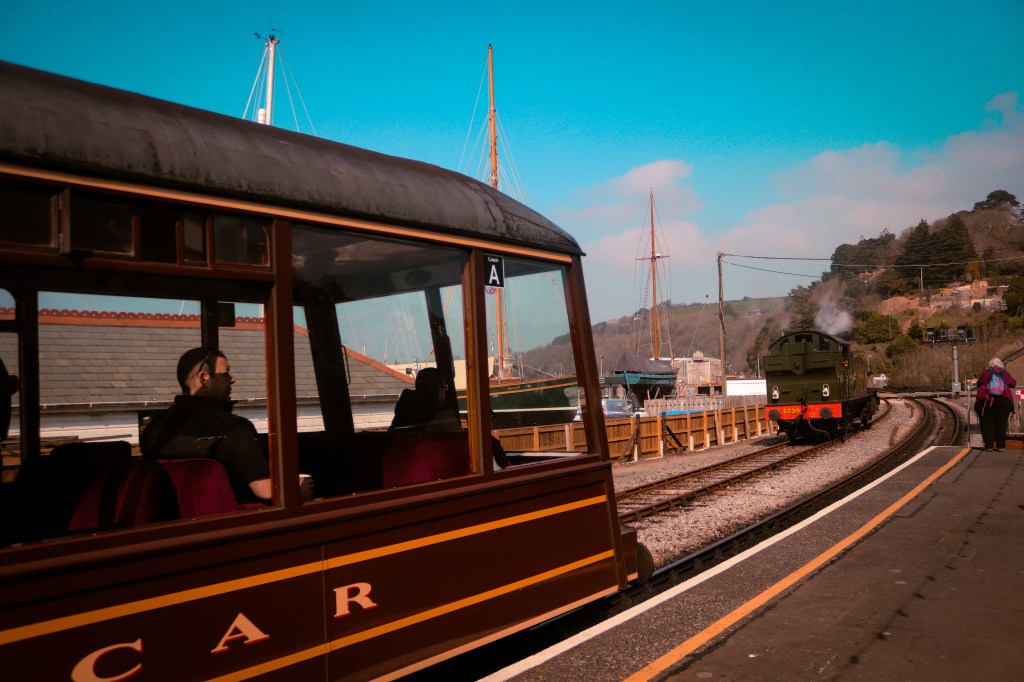
1. Torquay & Paignton – Two small towns a stone’s throw away from each other and separated by the same bridge we was building. During my stay in Devon, Torquay was my temporary town of residence. It has great restaurants, bars, nature, clubs, etc. Paignton also has its beauty and the most memorable for me was the Paignton pier and the cinema. Who doesn’t yearn for the experience on a steam train🚂? Well, I do, as this was my first. I got onboard the steam train from Paignton to Kingswear and back. A leisure experience where you capture nature and interact with the community. As we cruised past the neighbourhood, parents and kids from the outside waved at old fashioned honk of the heritage train. It gave me a sense of realisation of the relationship between the community of Devon and the steam trains.
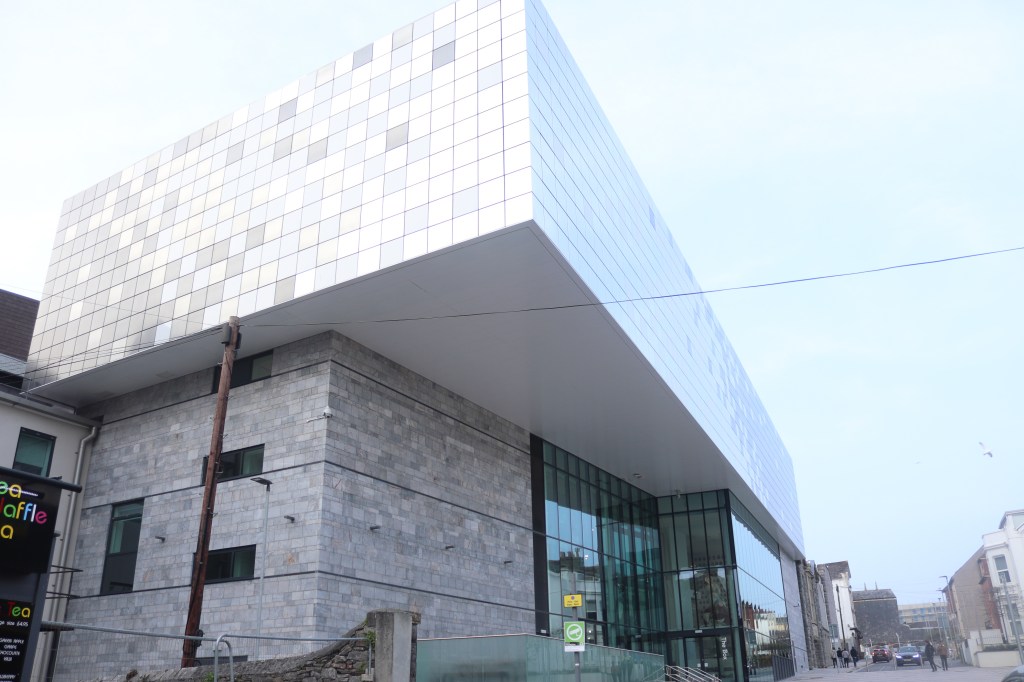
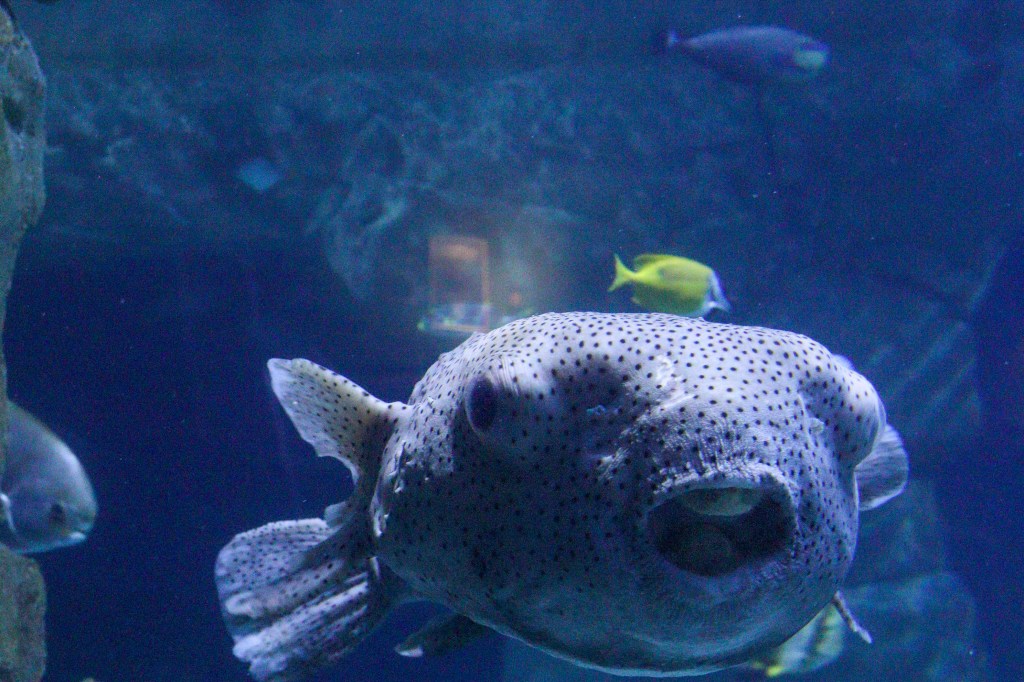
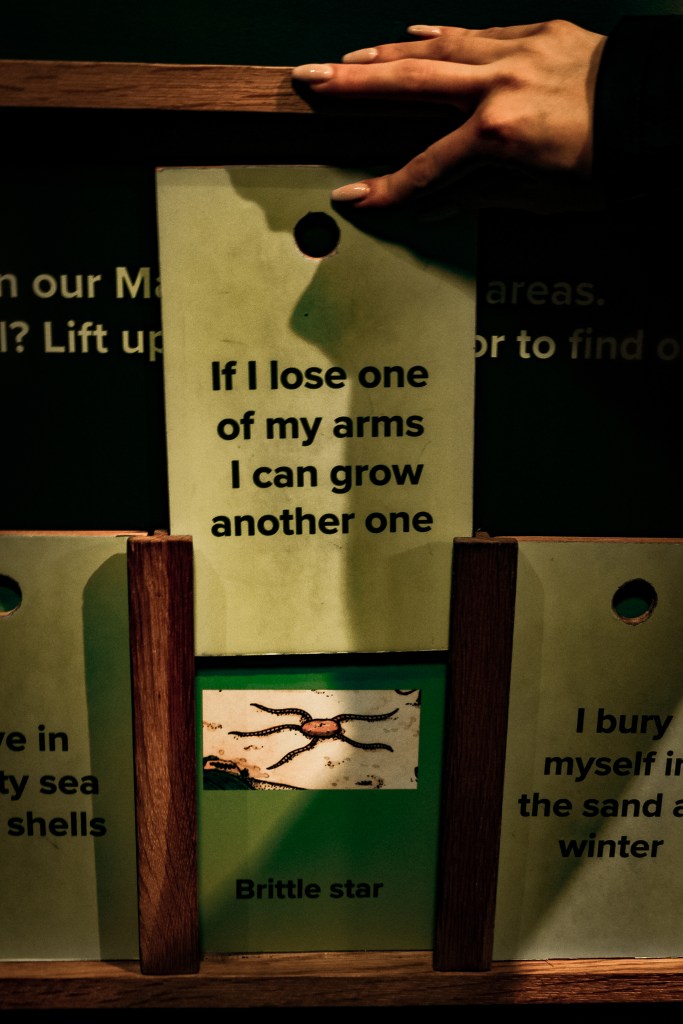
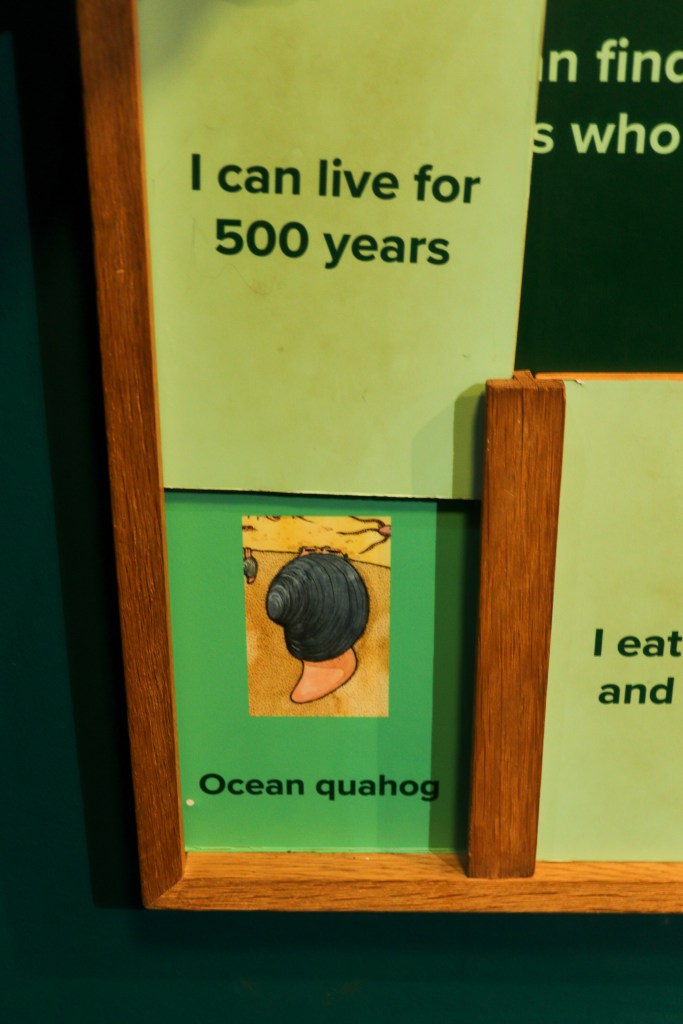
2.Plymouth (Hoe, Barbican, the box museum, aquarium) – A 50mins drive from Torquay lies a city that has more to offer. It gives you a juxtaposition of modern and traditional, art and history, Engineering and Architecture, nature and people.My main highlight was Smeaton’s Lighthouse, named after the first man to call himself a civil engineer: Sir John Smeaton.I paid £2.50 to climb the narrow stairs and be amazed by a 360° view of Plymouth. A £2.50 well spent!. I also visited the aquarium and the box museum.


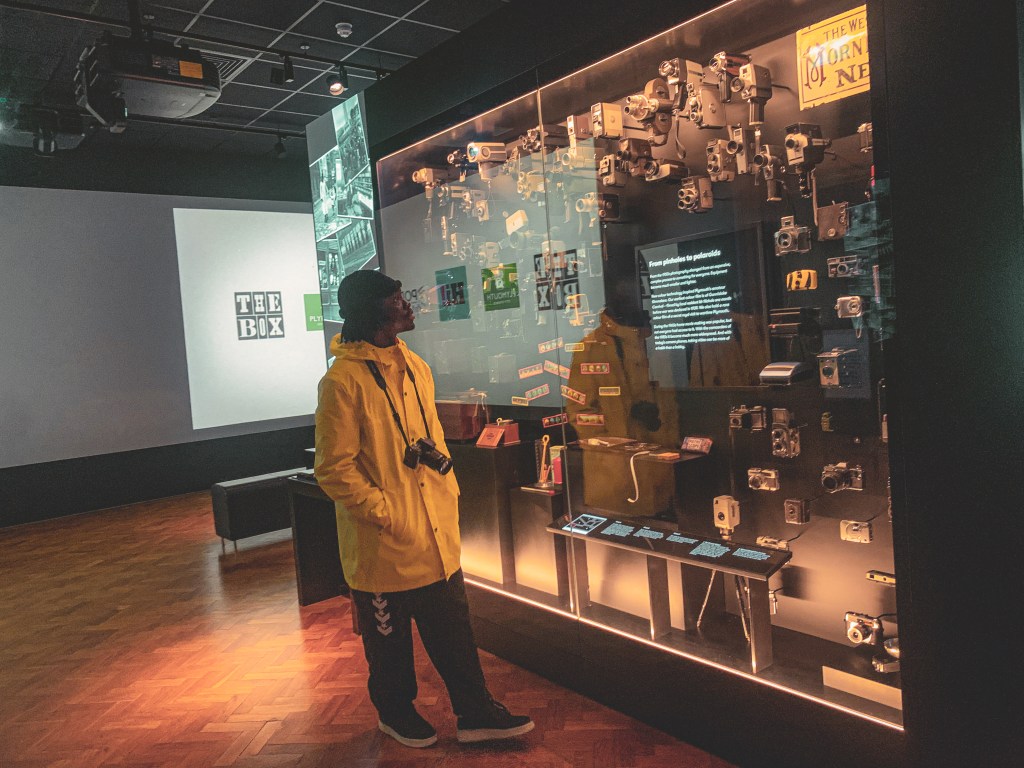


- Dartmoor (Haytor,Avon Dam, Dartmoorpark) – I wanted to drive and walk around nature and see if we could co-exist together. A 36mins drive from Torquay to Haytor and additional 36mins drive from Haytor to Avon Dam. A hybrid journey of driving and walking.
3.Haytor – Haytor has spectacular landscape views and commonly known for its gigantic rocks that make you feel insignificant. Tourists and locals often climb to the top (10mins) to see the wonders of these massive rocks. I didn’t appreciate its significance until I climbed it myself. A view to behold – Very windy, but with the right preparations you’d do just fine. Did I forget to say it also has ponies?


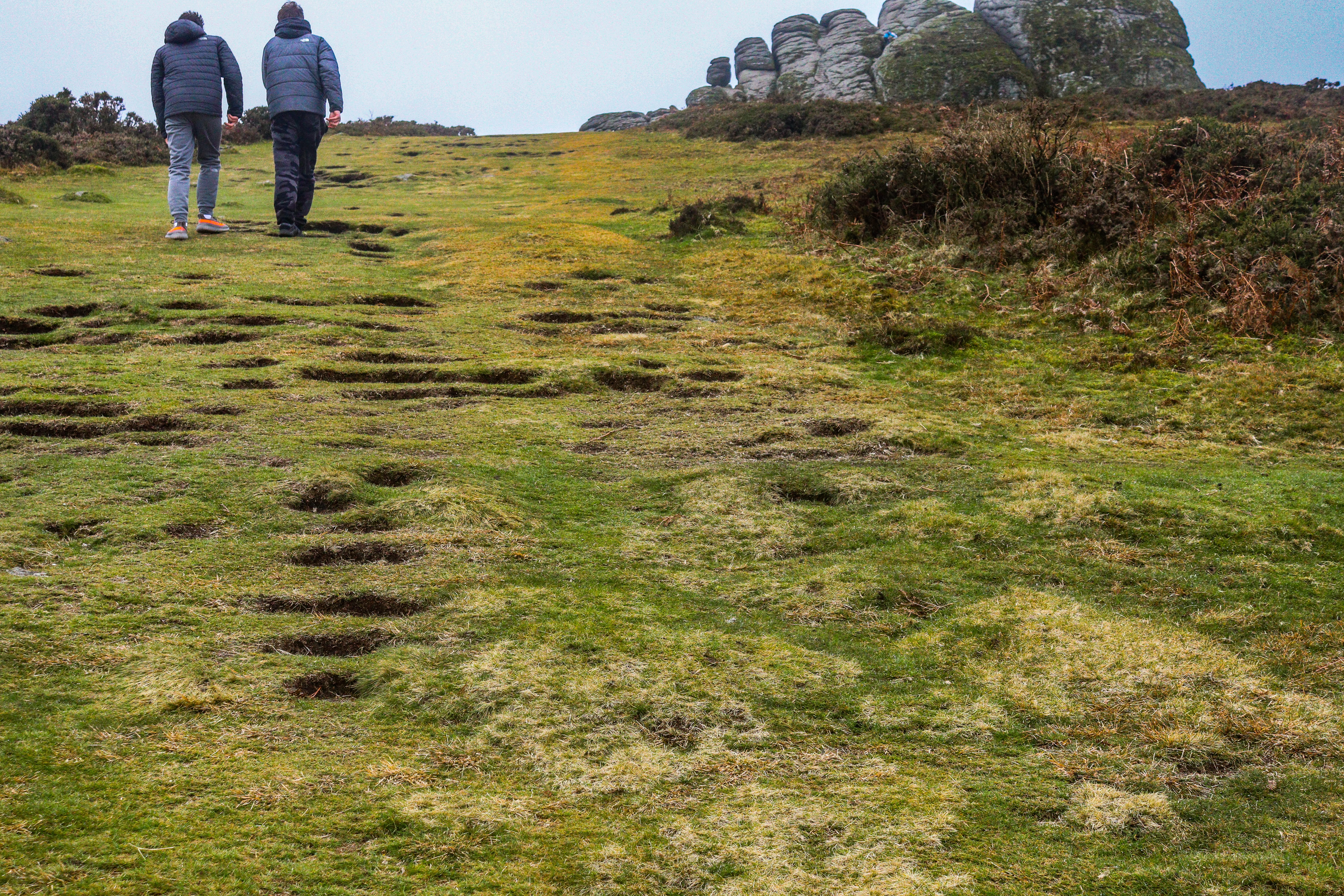
4.Avon Dam – After spending some time at Haytor I hopped back in the car and cruised down the country roads to my next adventure – Avon Dam. I arrived and parked, then went in search of the dam. To this day, I cannot justify which of the two was more wonderful: The walk to the dam or seeing the dam itself. My first Dam experience.

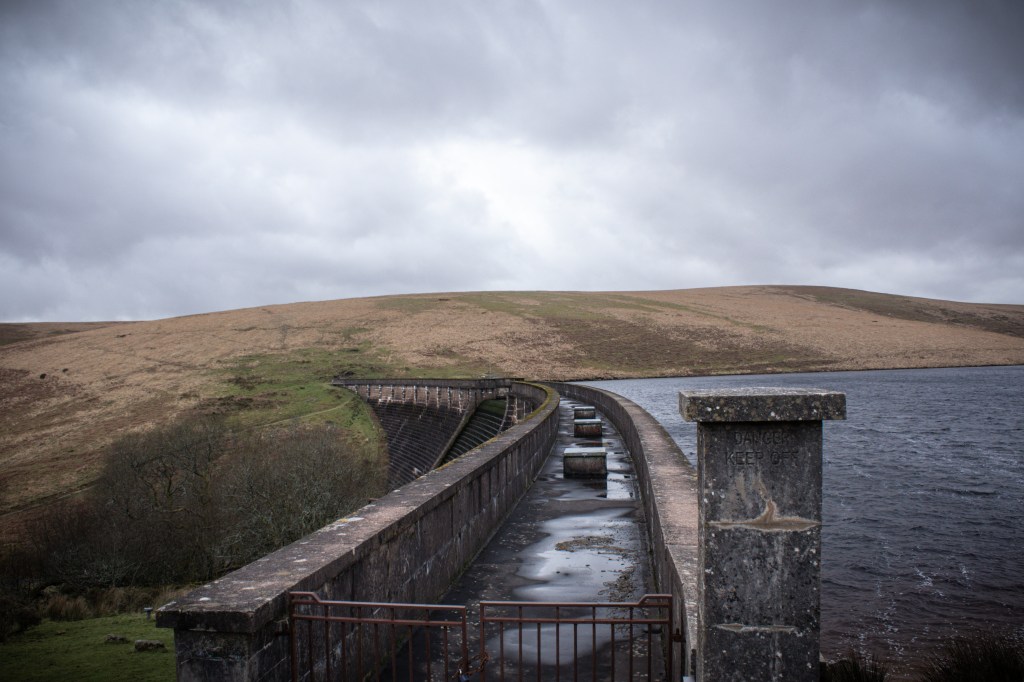
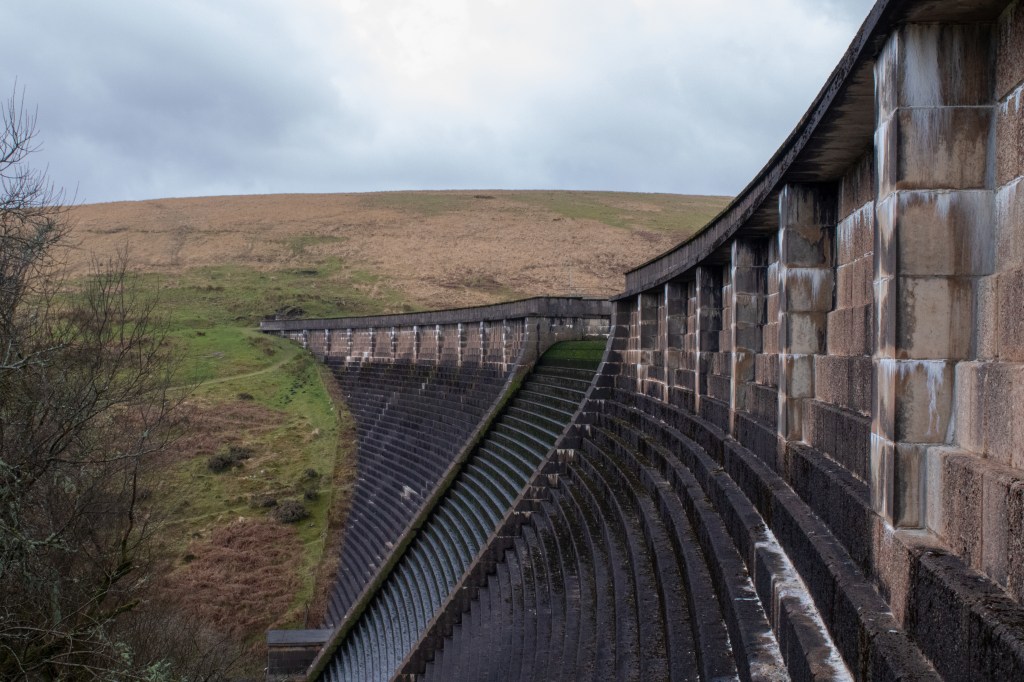
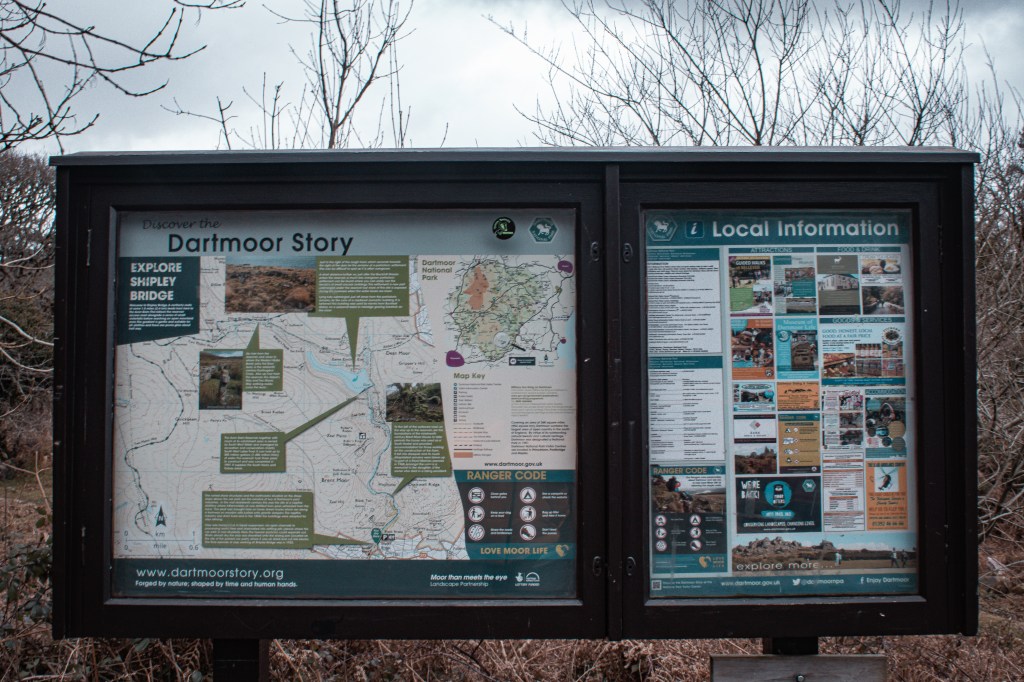
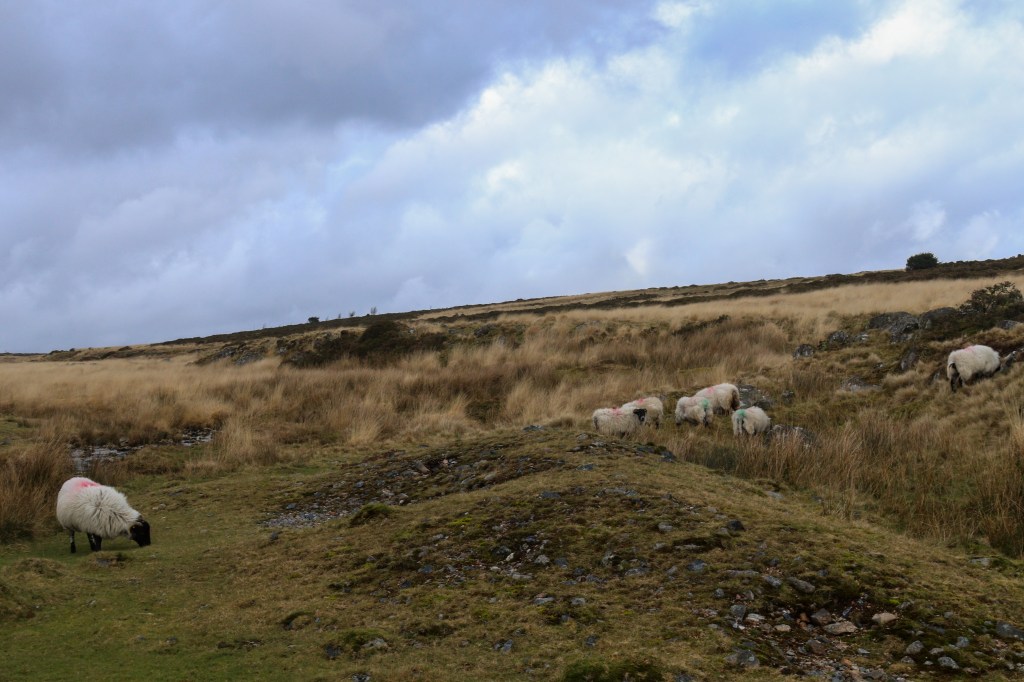
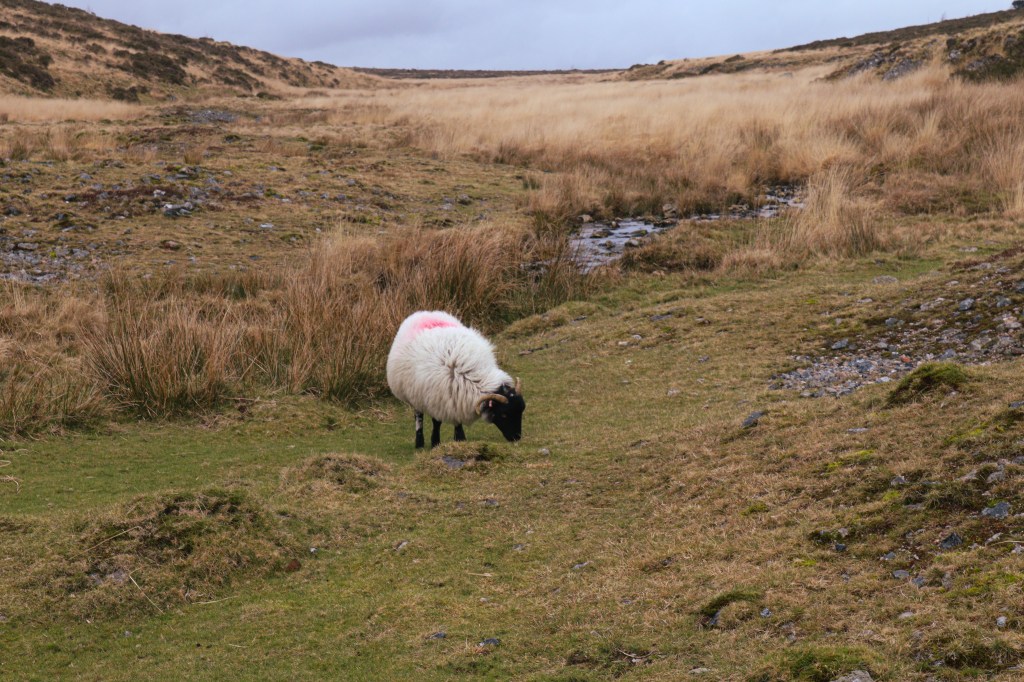
Unfortunately, my journey to Dartmoorpark was short-lived as I got lost so traced my steps back and opted to do it another time. A massive maze-like park that requires a guidebook that you could get from a shop nearb
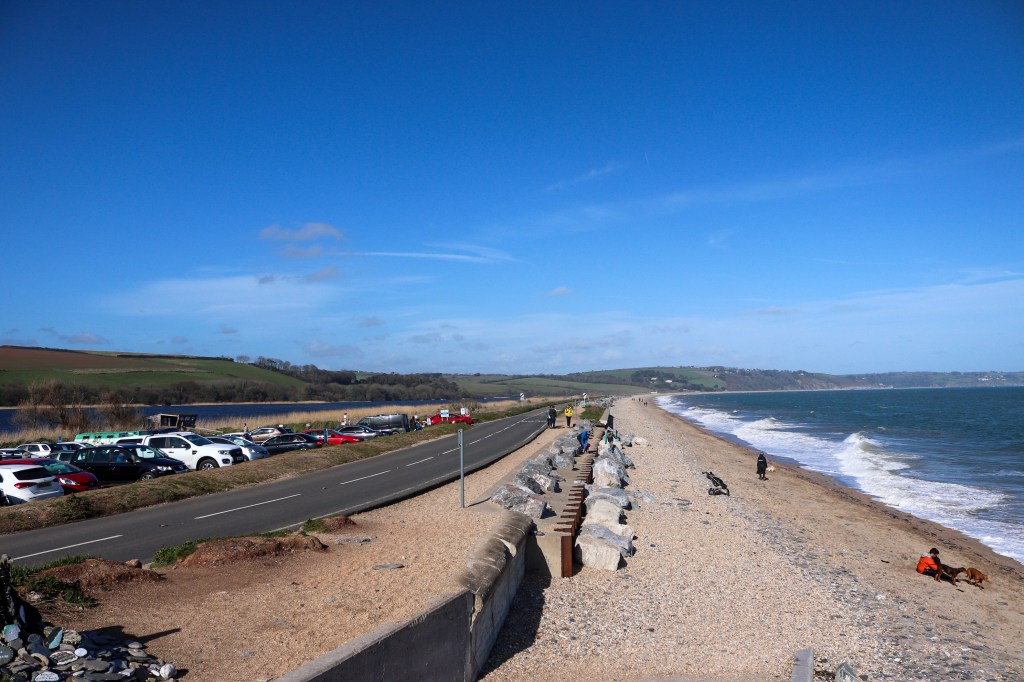
y.5.Kingswear -Dartmouth – Torcross – This journey was one of a kind. A mixed adventure of driving🚗, ferry ⛴️and walking🚶🏾♂️. I drove from Torquay to Kingswear and boarded a car ferry to cross over to Dartmouth (4mins). I stretched my legs around Dartmouth before commencing my journey to Torcross. The main highlight of this journey was the drive to Torcross. A naturistic drive of clear sky and sunlight.


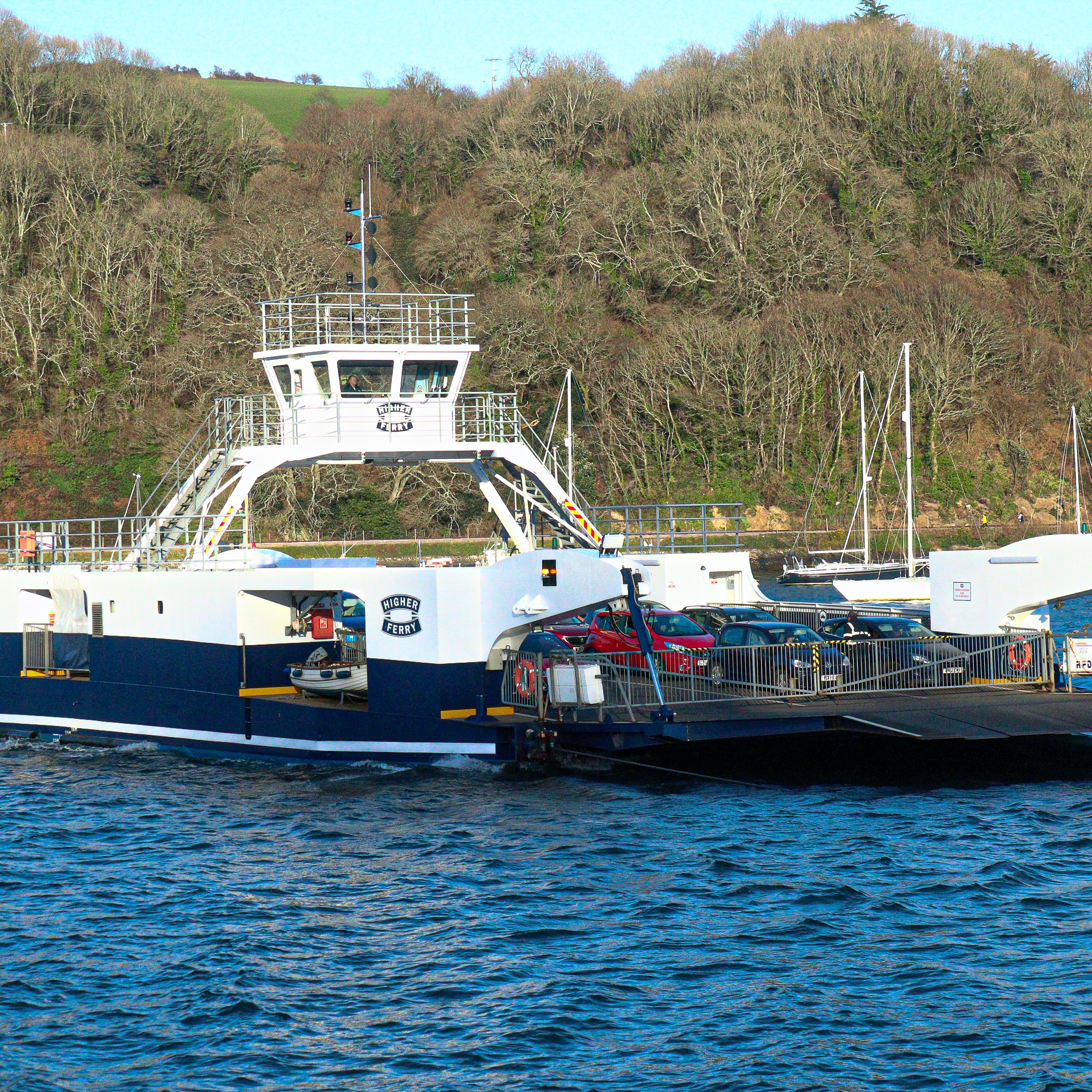

Kingswear ferry On approach to this town, within seconds I went from driving casually to all of a sudden sandwiched between the sea on both sides. It was like I got teleported from the highway to my car dropped on an Island surrounded by water on both sides. This wow moment stretched for a mile before reconnecting with the main town. I was so unsatisfied that I had to stop and park my car to appreciate what was around me. What a view to behold. You often don’t come across such wonderful view in England. I wished I had a drone to capture it from the top. However, I believe the best memories are those you put your phones and cameras aside and absorb what’s around you. I hopped back into the car to finish the rest of the adventure at Torcross.


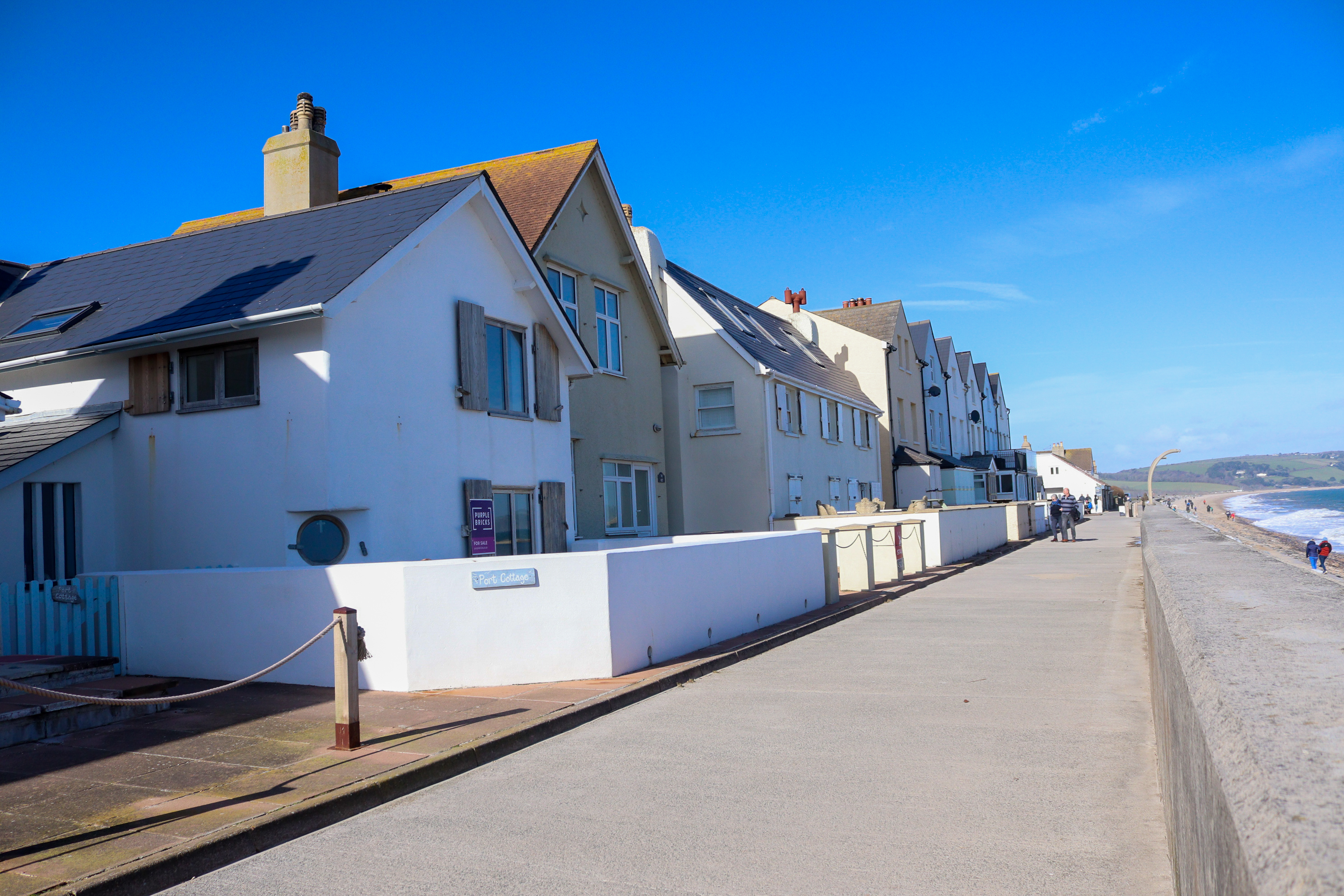
The experience was superb! Joining a new community means a different lifestyle, food, and culture. I’d say 95% of my adventures in Devon came from speaking to locals – If you don’t ask you won’t know. I felt a bit uneasy as I approached the end of my 4months stay in devon as I felt I still needed more time to explore this beautiful place that has so much to offer. However, I was happy again to have had the opportunity to go this far and discover places I never would have thought existed. Believe me or not most people in England take such beauty for granted or never have and never will travel to such places. I intend to take a trip down southwest this summer to re-ignite these experiences. Afterall, it is these memorable experiences that help shape who we are.
To find out more see links to all the places I visited……
- Our Trains | Dartmouth Steam Railway (dartmouthrailriver.co.uk)
- Haytor | Dartmoor
- Avon Dam, Devon | South West Lakes Trust (swlakestrust.org.uk)
- Dartmouth Higher Ferry – Shuttle car and passenger ferry across the river Dart (dkfb.co.uk)
- Torcross | South Devon Village Guide | Coast & Country Cottages (coastandcountry.co.uk)
- Hoe Promenade – Visit Plymouth
- UK’s Largest Aquarium | The National Marine Aquarium (national-aquarium.co.uk)
- Welcome to The Box | The Box Plymouth
- Torquay – Visit South Devon
- Explore Paignton in Devon – Visit The English Riviera
- Dartmoor National Parks // Dartmoor Wildlife Park
- Visiting Paignton (visitdevon.co.uk)

-
STEM
Every year I ask my siblings what they’d like to do when they leave school, and every year their answers are different from the previous year. It shows how it’s okay not to know what you want, but with some guidance from STEM, it makes a difference. Being a STEM ambassador enables me to contribute to the community and help younger generation realise the hundreds of options out there. It is also a way of networking with other ambassadors from various industries.
You may have heard of the word STEM at some point in your school days. It simply stands for Science, Technology, Engineering & Mathematics. STEM is a leading organization dedicated to improving the lives of young people by providing them with skills, knowledge, experience, and career guidance.
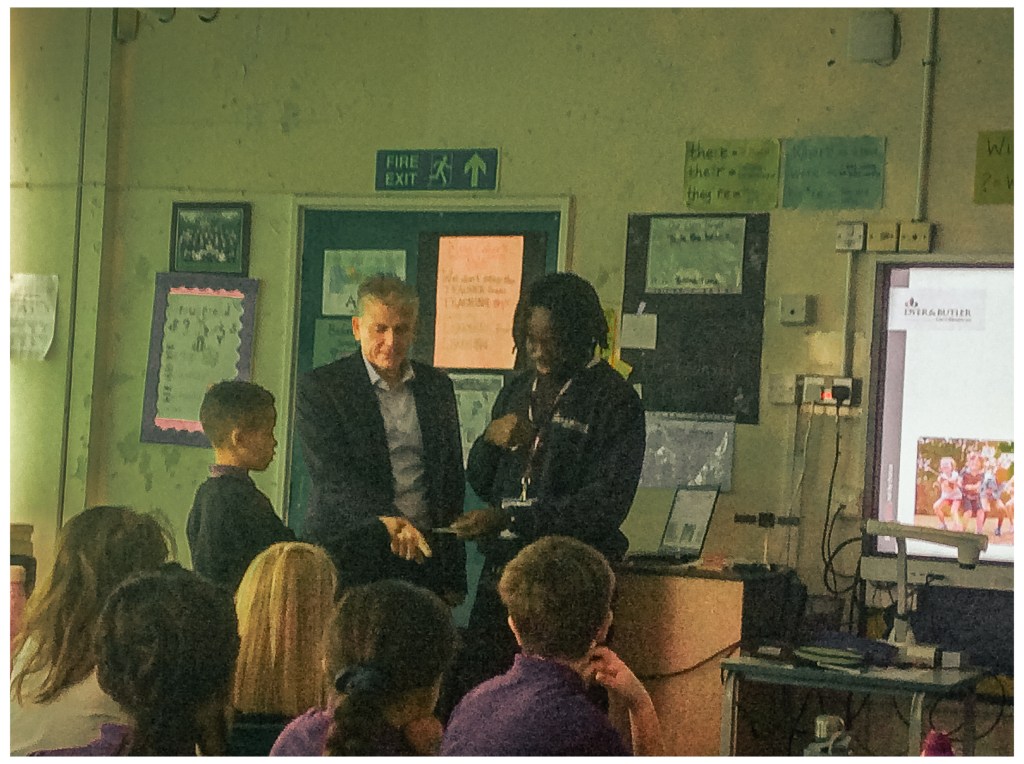
As a STEM ambassador, I volunteered on behalf of my employer (Dyer & Butler) to become a member. To be eligible, I had to go through standard verification check and training that includes a DBS & online induction. Upon completion, I gained access to the STEM online portal where I have access to volunteering activities. Finally, I was issued a STEM ambassador badge in recognition of becoming a verified member.
As a STEM ambassador, I enjoy the art of sharing my story to the younger generation on industry-related matters but most importantly the journey. Placing myself in their shoes, was a journey I once walked. As students in primary or secondary school of academia, they often think they know what they’d like to do when they leave school, whereas a few don’t. The truth is, you could have a degree/masters, yet still not know what you want.
Furthermore, there are other students who thinks they know what they want but end up dropping out of university in the first year. Myself included was faced with such doubts during my second year at university. Hence, I sought a year out to do a placement in order to find answers and gain clarity. Some are pressured by the presence of their parents – failing to understand it is your journey, not theirs. Therefore, during these STEM activities, I find it very important to be honest with my journey as this would help young students navigate whatever career path that works best for them.
To name a few STEM activities I did attend:
- Speed interviewing – Engaging with 14 -15-year-olds and their parents by offering industry and career advice. I openly discussed the benefits of either university or degree apprenticeships. In addition, I also touched on the importance of taking a year out to figure out what they want moving on or doing a placement year to understand the industry. I also encourage them to hold on to their hobbies as they could potentially turn into a career. Nowadays, you can easily become a YouTuber, TikToc famous, etc. Provided you enjoy doing it.
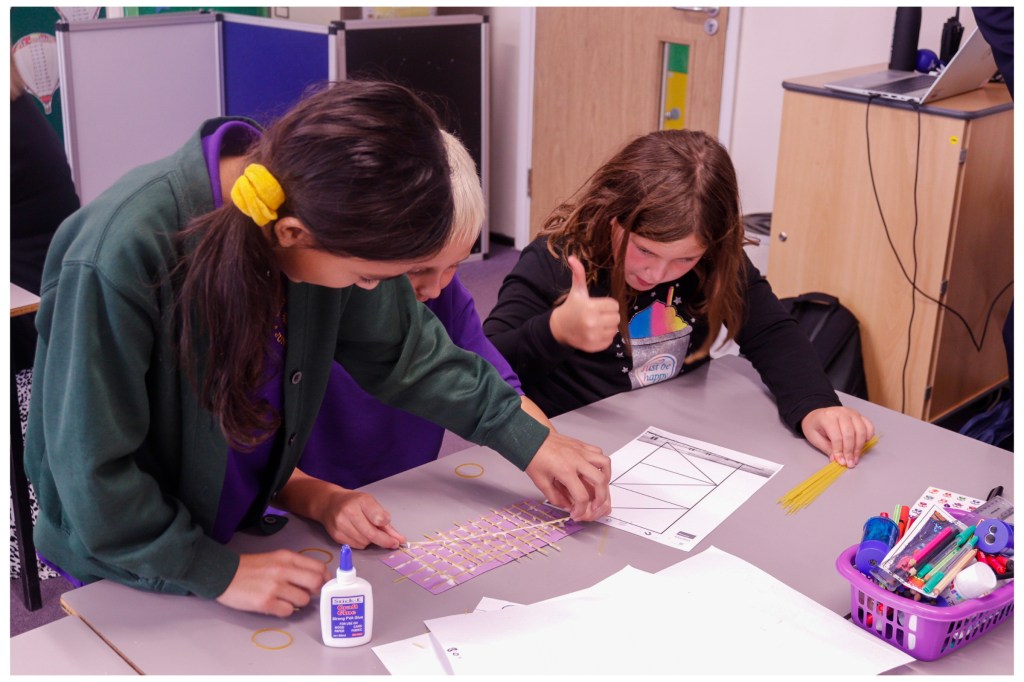
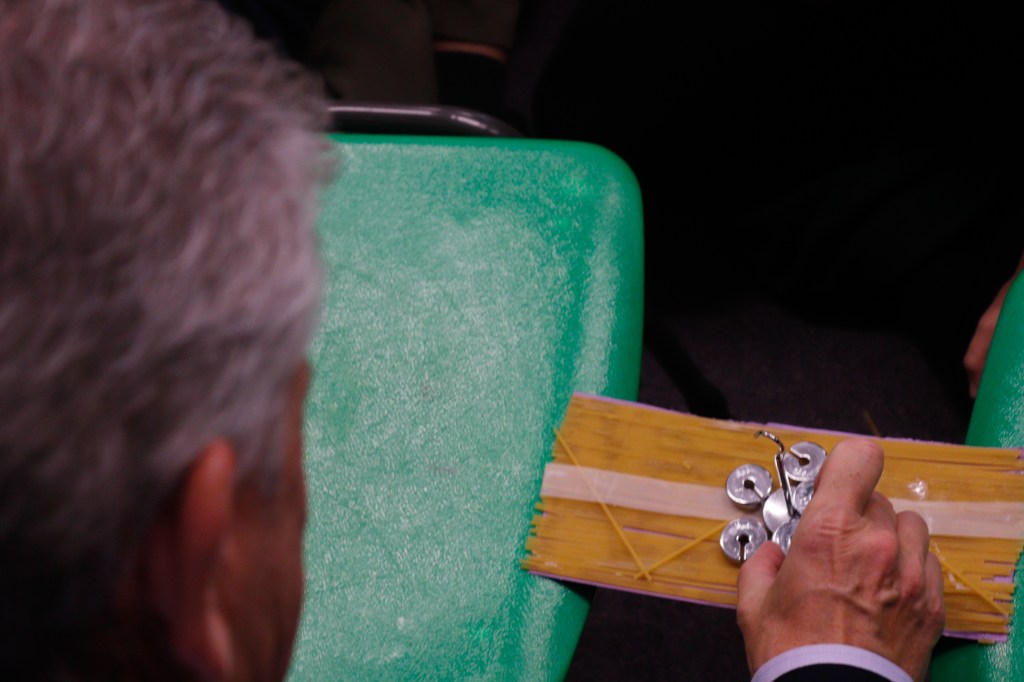
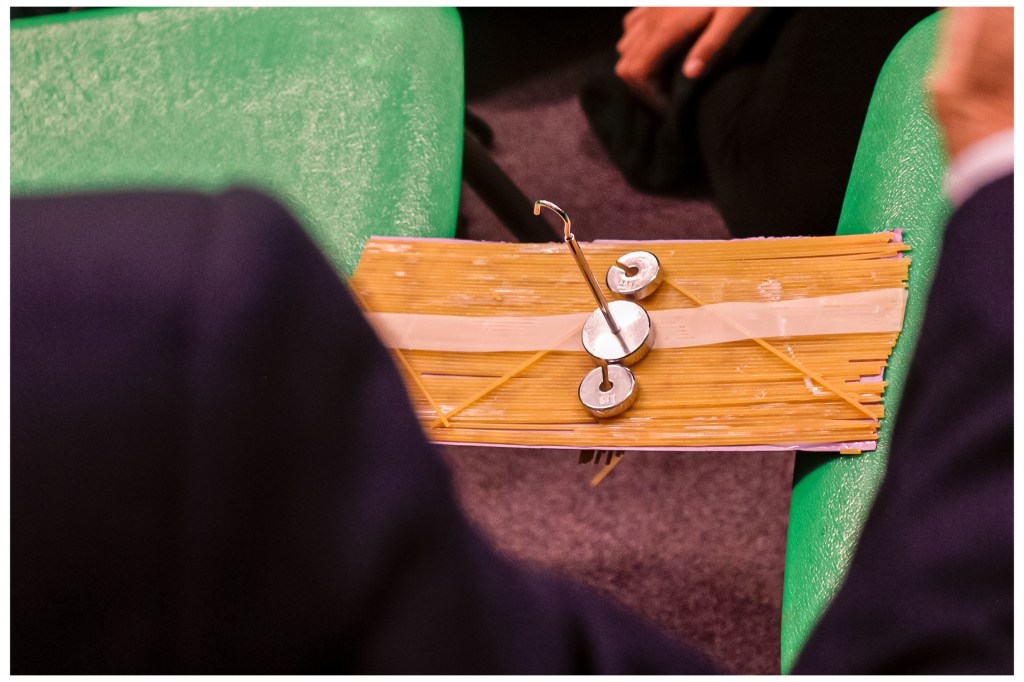
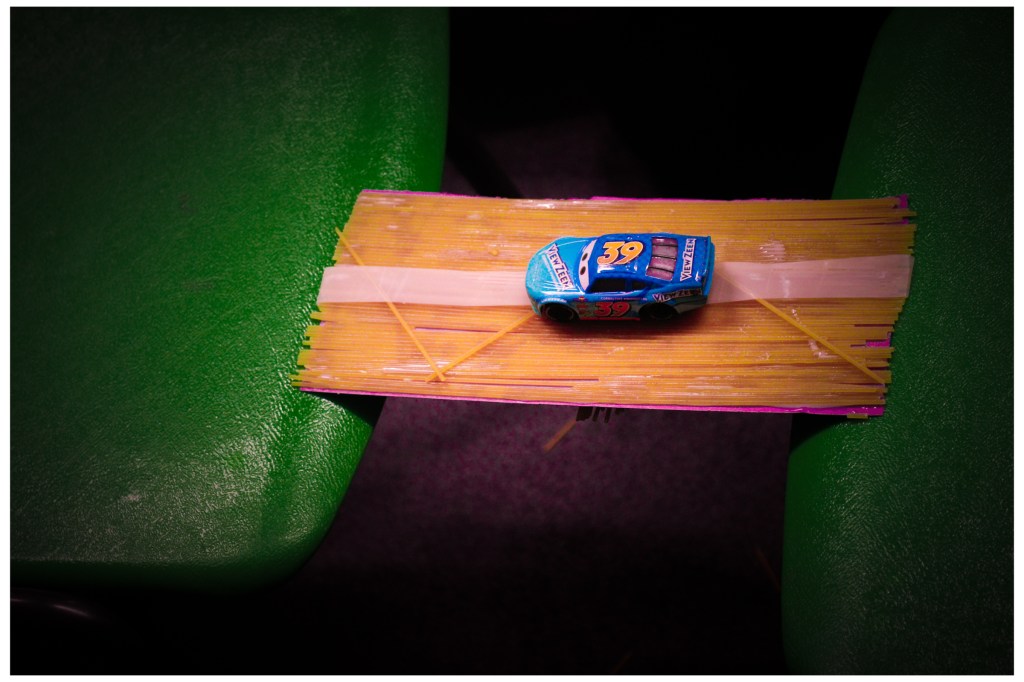
- Classroom session – A fun exercise with primary school students on building and testing bridges using spaghetti – Yes, spaghetti! The idea was to help them understand the importance of what happens to a bridge if it’s not designed correctly. In addition, presented and discussed what we do as Civil Engineers. An engaging exercise, and they loved it.

- Careers fair at Brunel University – Providing career advice to university students in the Civil Engineering industry and offering placement opportunities within our company.
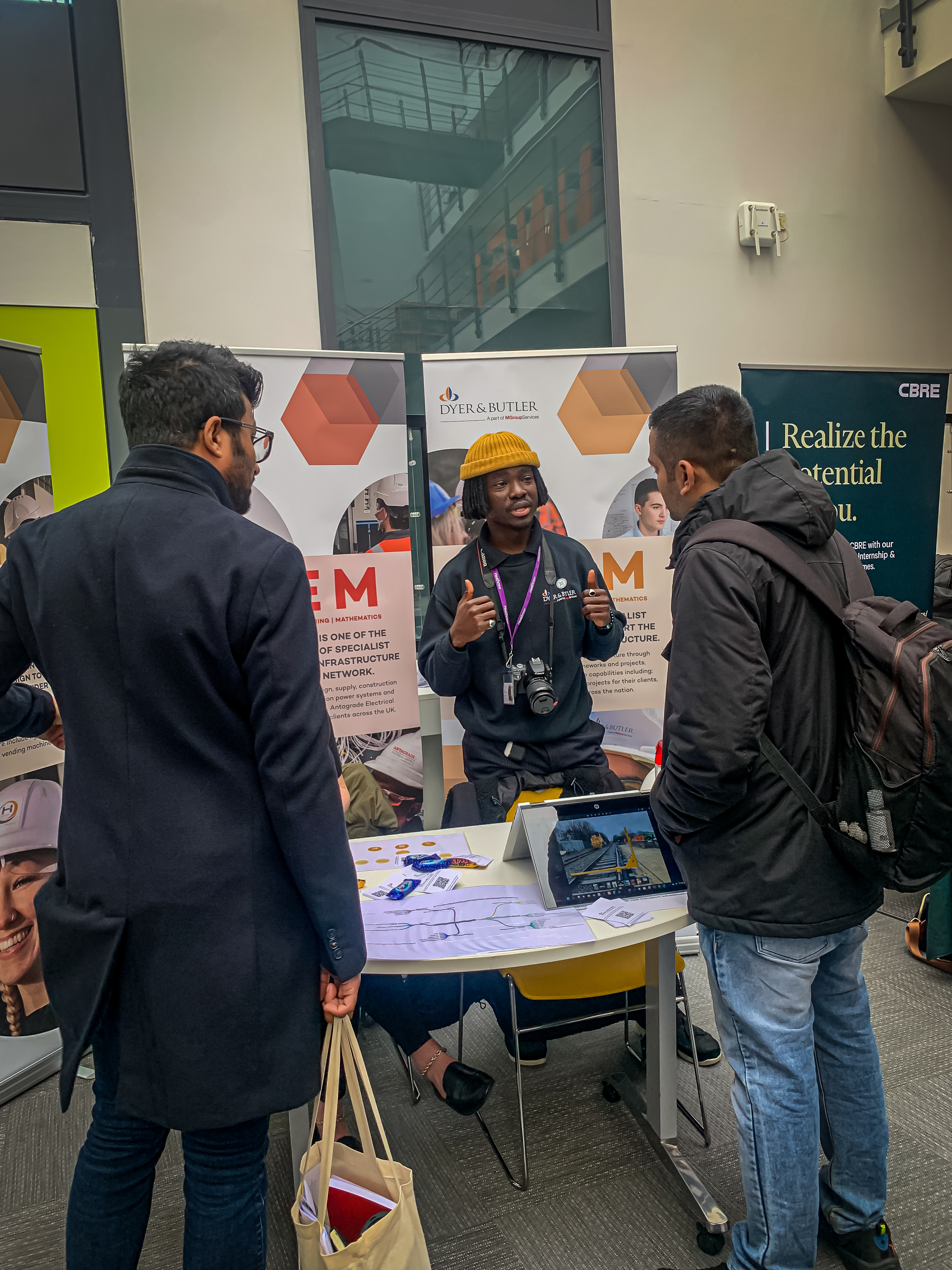
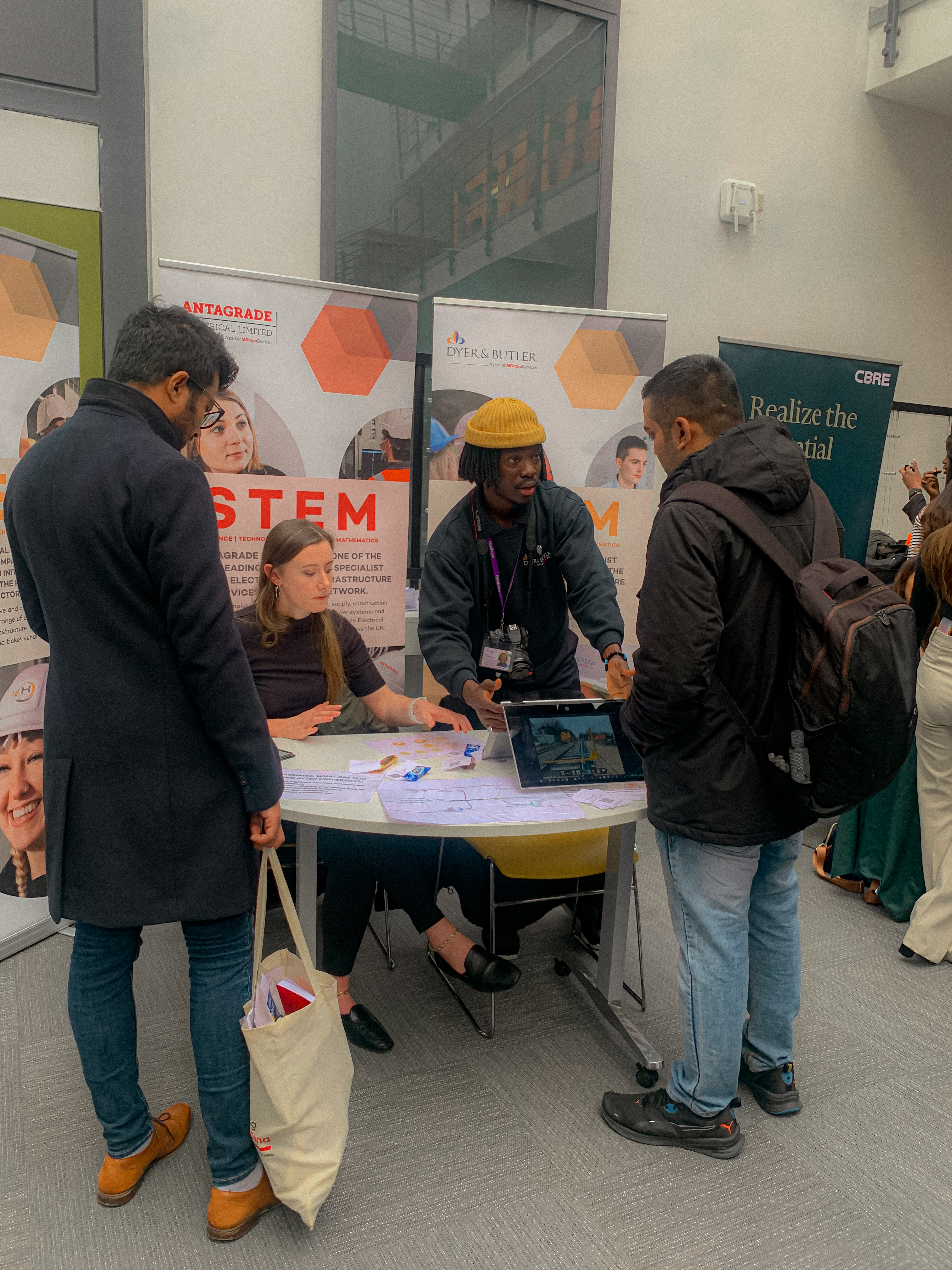
My favourite session so far was attending a speed interviewing session with my then (14yr old sister). It was was my first ever STEM activity. She helped set up my station followed by a brief chat on how we intend to run the session. The session was a success. At the end of the activity, she fully understood what her brother does for a living. However, I’m sure Civil Engineering doesn’t float her boat and that’s absolutely fine. Truth be told, I would prefer my siblings having diverse knowledge in other areas. For example, If their calling are the medical sector or becoming a chef, I would then have someone to help me with health & nutrition advice. Conversely, if they decide to build a house they have me to lean on.

Little sis











































 AwalkwithMO